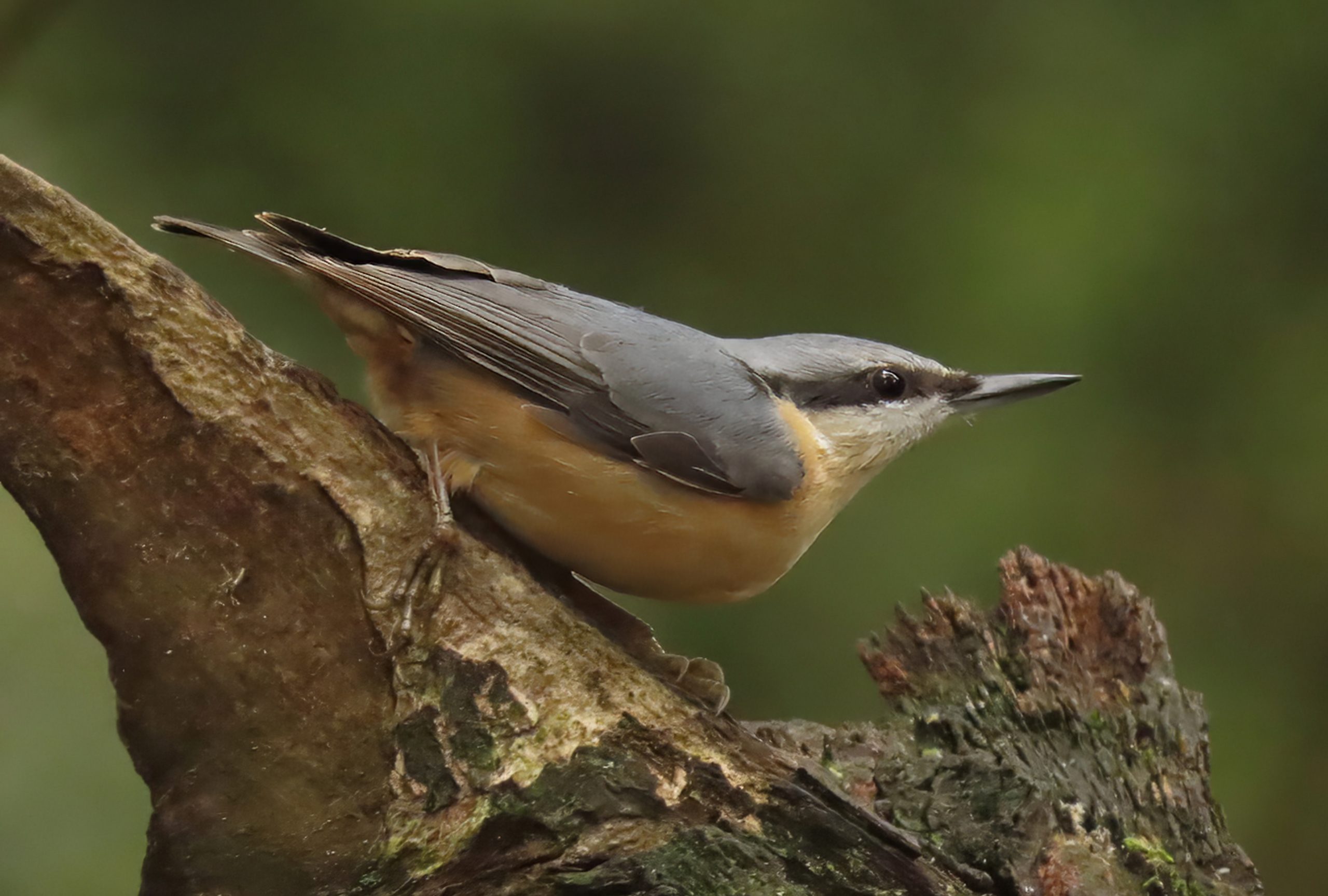
The Nuthatch is often first noticed because of its unique habit of climbing down the trunk of a tree. They will then notice its beautiful colouring, its blue grey back and its stunning buff coloured chest and belly and the striking black eye stripe.
Not a particularly melodic singer it announces its presence with a sharp “tee whit” which can carry a long way in the woodland setting.
Tradition has the bird as industrious, thrifty – using what is there, it is known to store food.
This photo was taken by Steve Allanson in a forest in Galloway.
When the blossom is misted with spring’s gentle rain, He announces his kingdom with lilting refrain Tumbling prelude, vibrant finish, May we never let his song diminish.
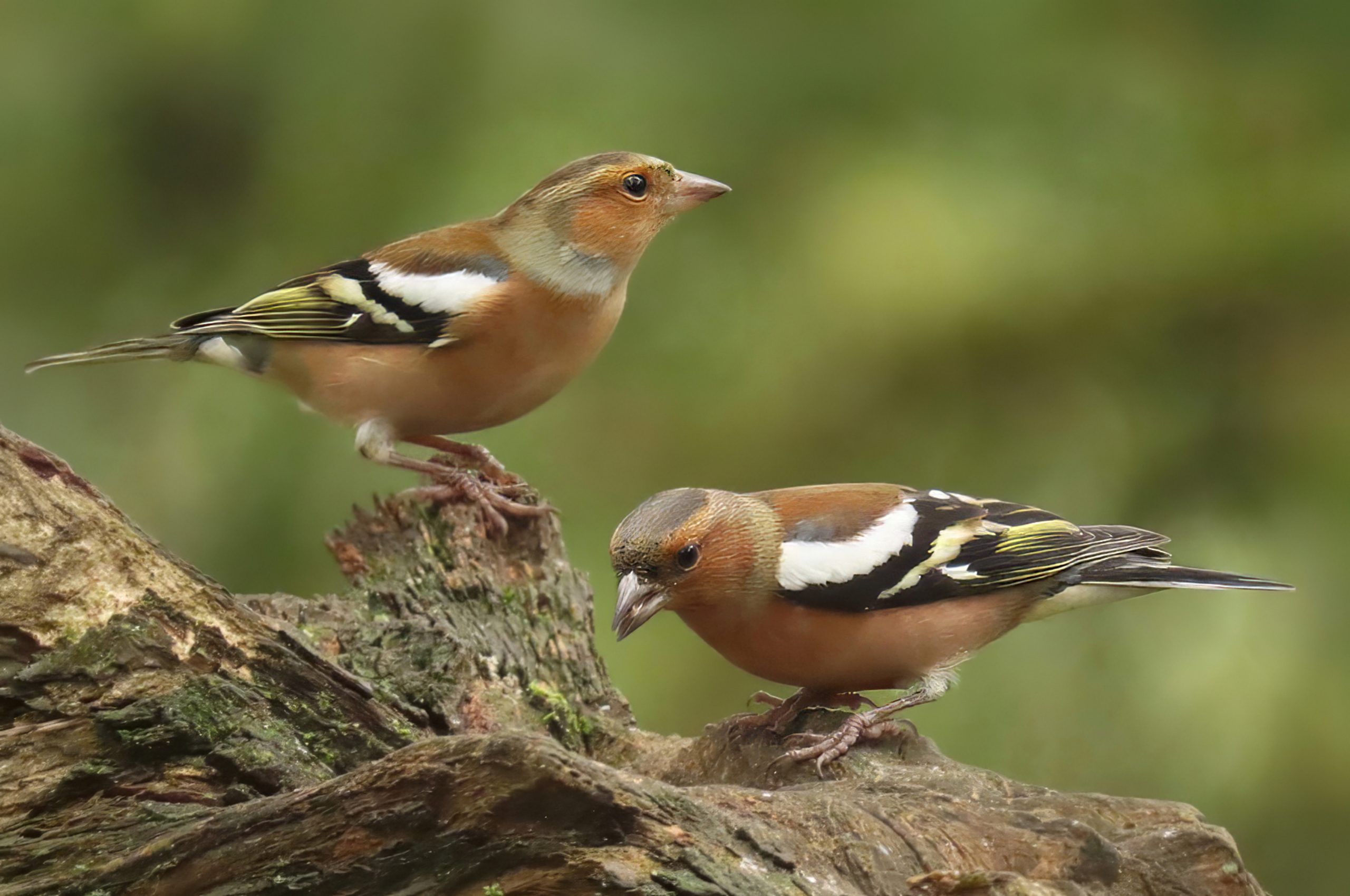
One of our most familiar and delightful garden birds. Can there be a garden which isn’t visited by these delightful heralds.
They will commonly sit right at the top of the tallest tree and fill the garden with their ringing song. Of course they are also frequent visitors to the ground beneath our bird tables where they will eat seed and grain, their beaks are clearly adapted for their chosen food.
In folklore they are considered reliable, friendly and trustworthy, their song is often felt to be an encouragement to “get on” with the day’s work.
The latin name for the species – Fringilla coelebs – translates as “Batchelor Finch”, probably earned due to their habit of gathering in single sex flocks in winter.
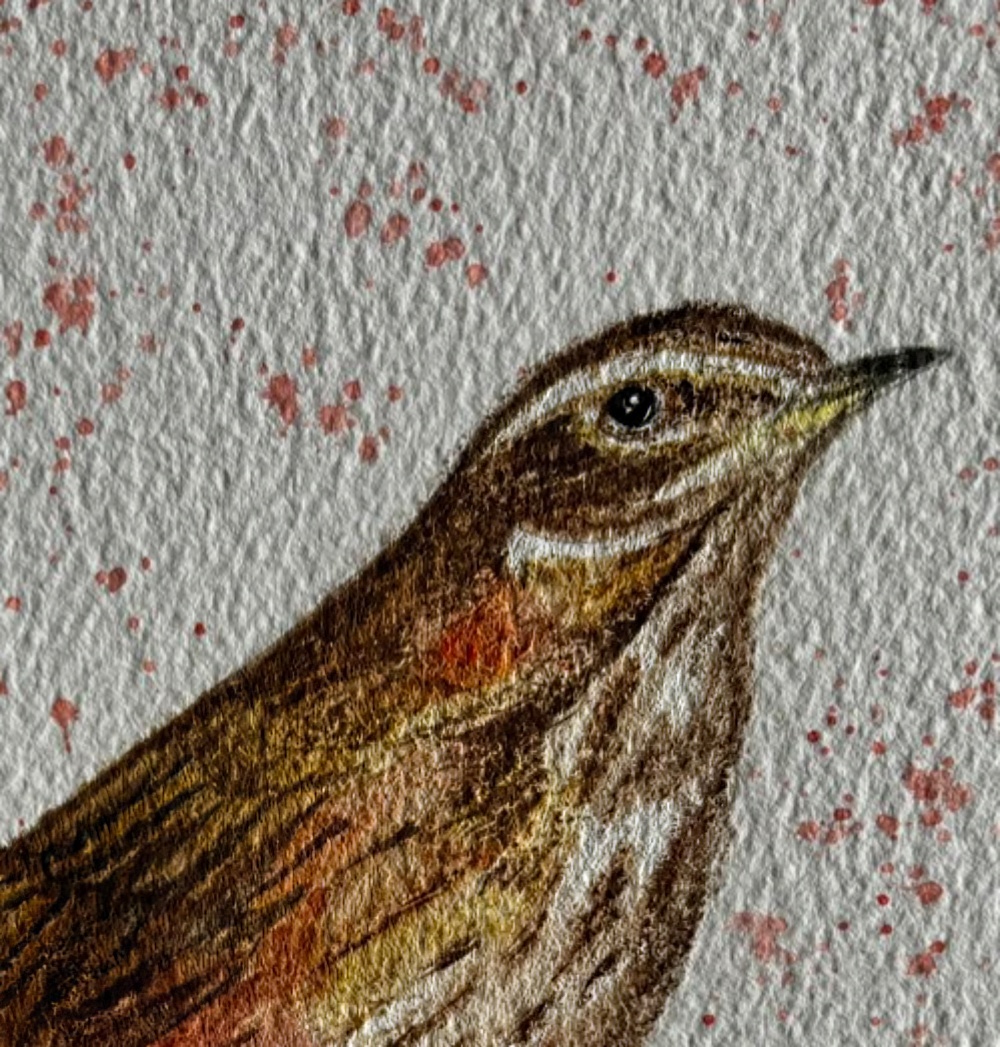
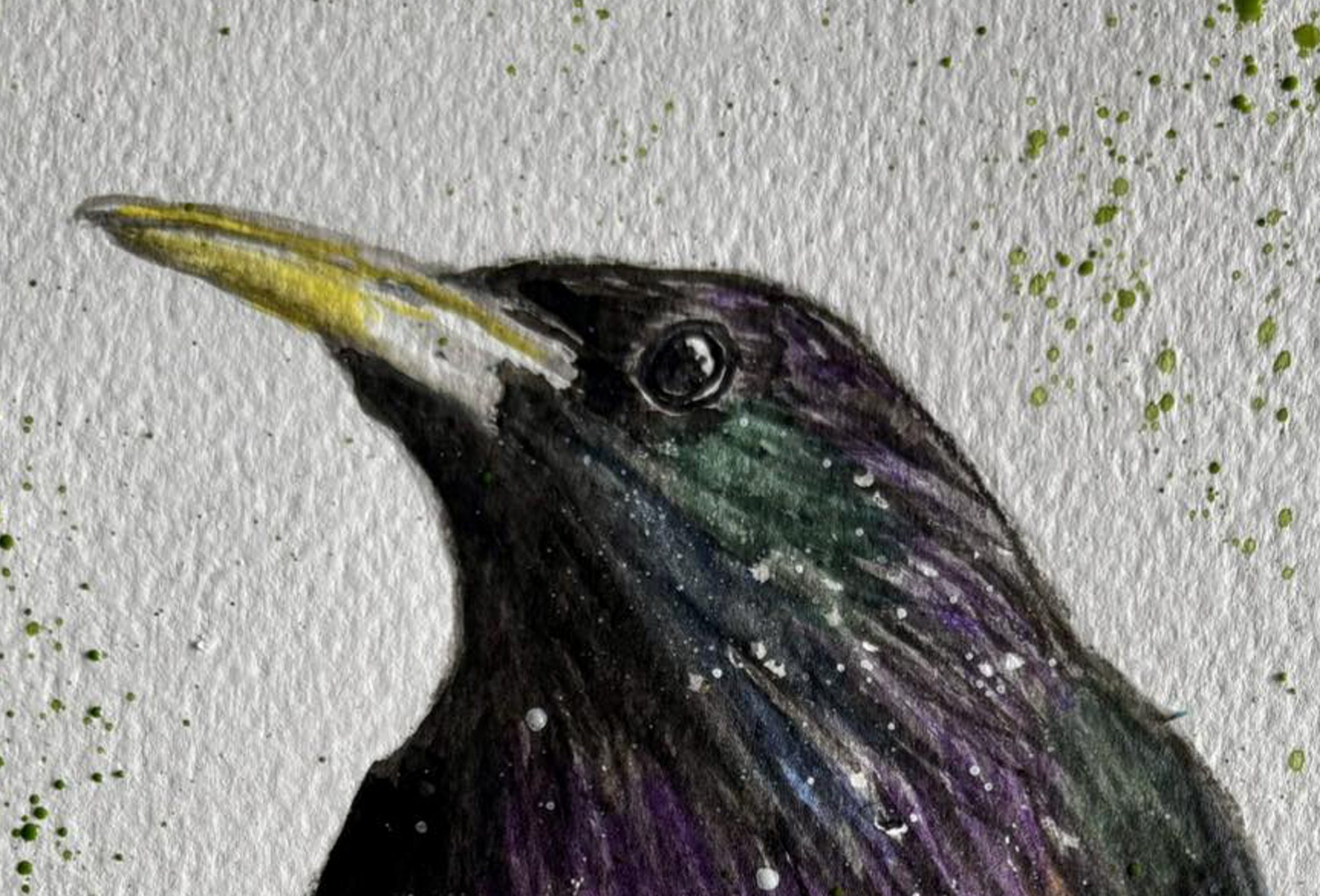
A lament on the decline of the Common Starling. The full poem will feature in the forthcoming book Songs of Field and Garden. The image is a detail from the full image by Adele Croxall-Ellis which will appear alongside the poem in the book.
If Only We Had Listened (First and last verses)
I heard you in the morning in the roof above my bed, I heard you chatter, prattle on—not knowing what was said, All day you sing your heart’s desire, your courtship message sent, They call you dull, a pest, unloved, but you and I dissent.
…
But now we’ve sealed the cracks you used to bring your young to fledge, We’ve kept you from our towns at night with spikes on every ledge, We’ve cleansed our fields of food you eat, with a poison holocaust, If only we had listened as your murmured dance was lost.
Starling numbers in the UK have declined by 80% in the last 50 years. Murmurations are fewer and smaller than ever.
Today, just now, I heard your song, It’s spring, I hear — it’s been so long.
I check for coins, and finding none, Regretfully my luck has gone.
The call is heard across the land, The time to plant is now at hand.
I am still looking for a talented artist to illustrate this poem in the book (and share in it’s, hopefully, huge success), could this be you or someone you know. If so drop me a line or comment below.
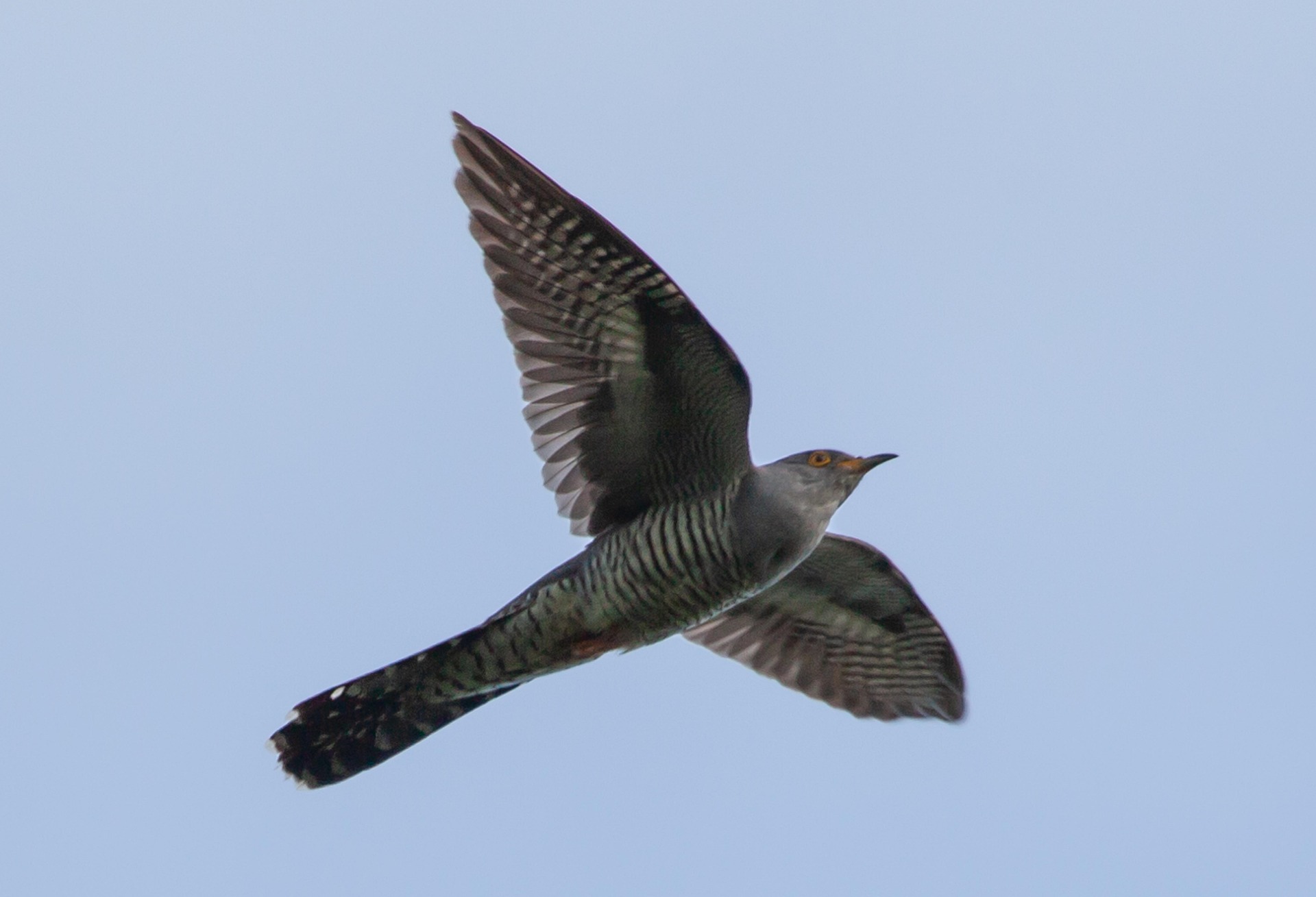
This one is all about the sound, as most of us will never actually see a Cuckoo.
The rhyme structure, the metre and the shortness of the lines is all intended to mirror this wonderful, elusive bird.
When will we first hear that call this year do you think?
Once again the photo used to illustrate this post is by: theotherkev from pixabay – my thanks to him.
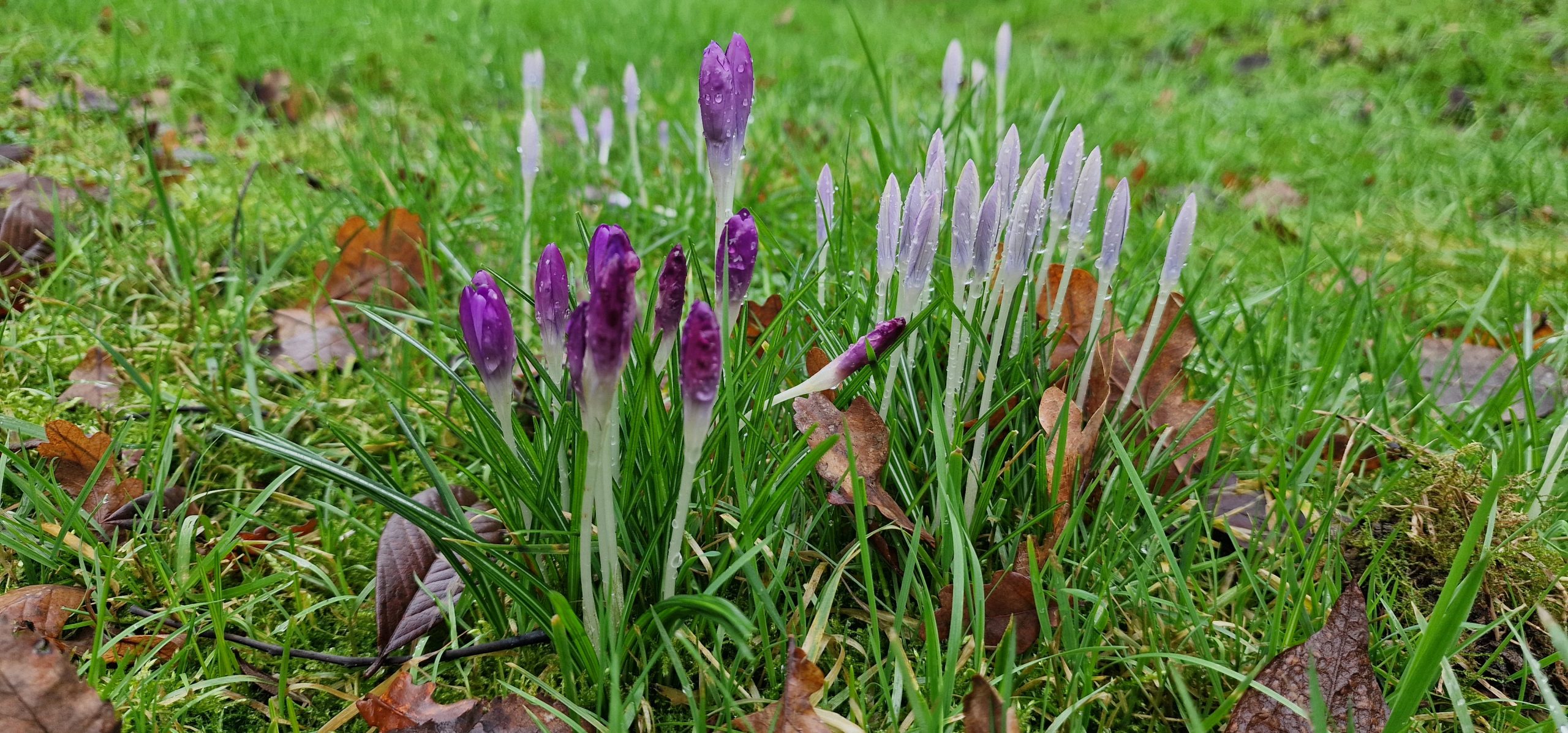
Saturday was the first sunny day for many days so it was good to get out for a walk. Almost warm enough in the pre spring sunshine to think about shedding the warm winter coat – but not quite.
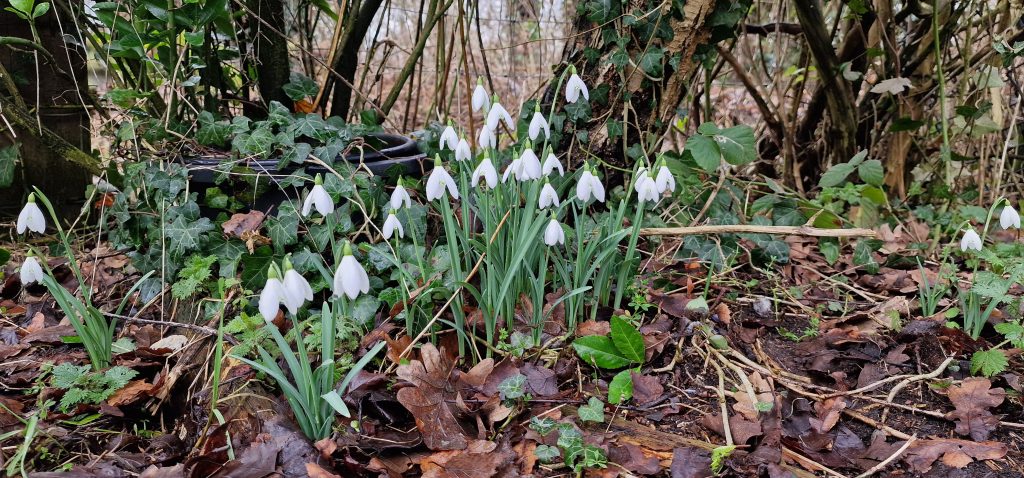
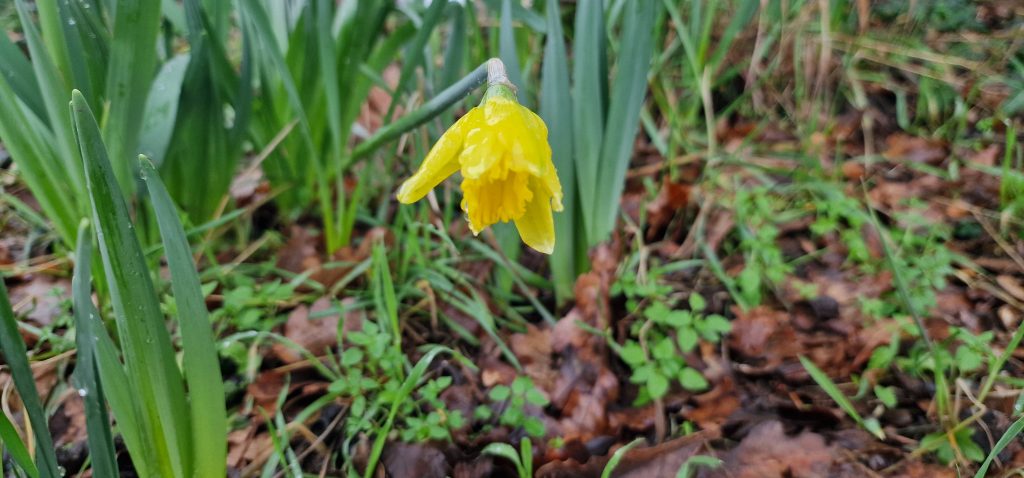
The snowdrops have been out for some time now, the first flowers of the year and the very first of the daffodils showed itself.
Looking a little forlord after all the recent rain but still the wonderful sun-yellow brings a hint of even warmer and definitely drier days to come.
I’ve heard plovers on a few occasions now and today I heard the first skylark ascending above a field whilst singing its heart out. I just caught sight of it as it disappeared into the blue sky above.
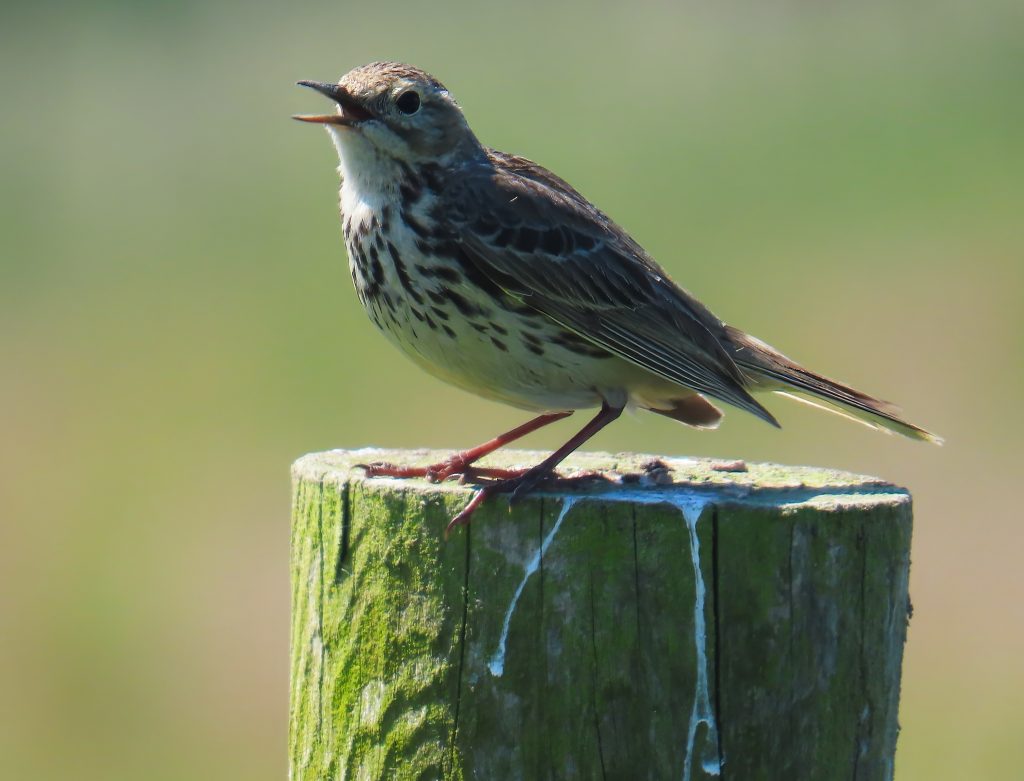
I also saw one of these – A Meadow Pipit.
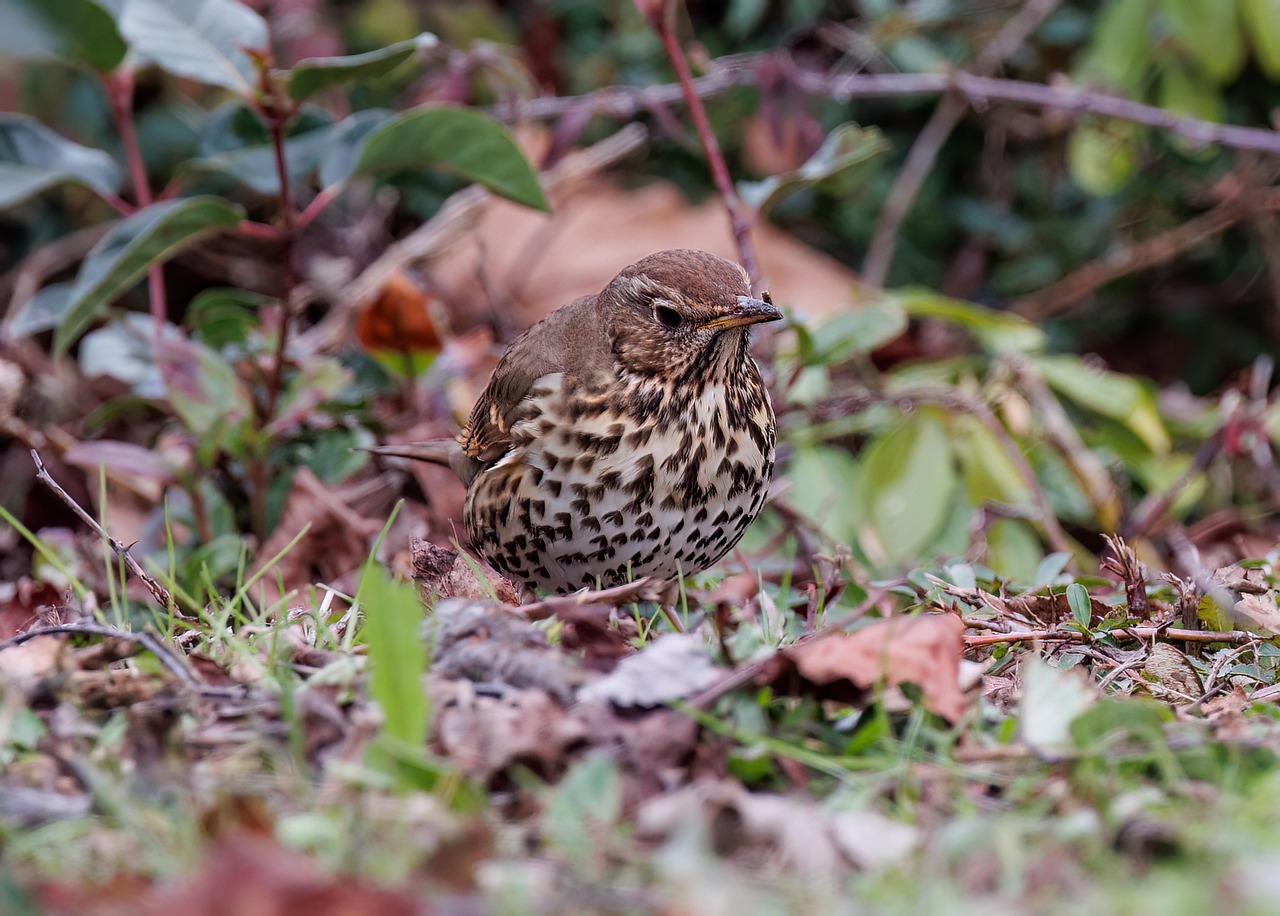
Another of our wonderful song birds. This one, along with the Skylark is resident throughout the winter but is less visible in the cold months.
Here we are in the middle of a gloomy February in the UK. The rain seems to have been relentless throughout January and has not improved yet this month. There are over 100 flood warnings live and it’s due to turn even colder this coming weekend – but still with only one day of sun forecast.
And yet…
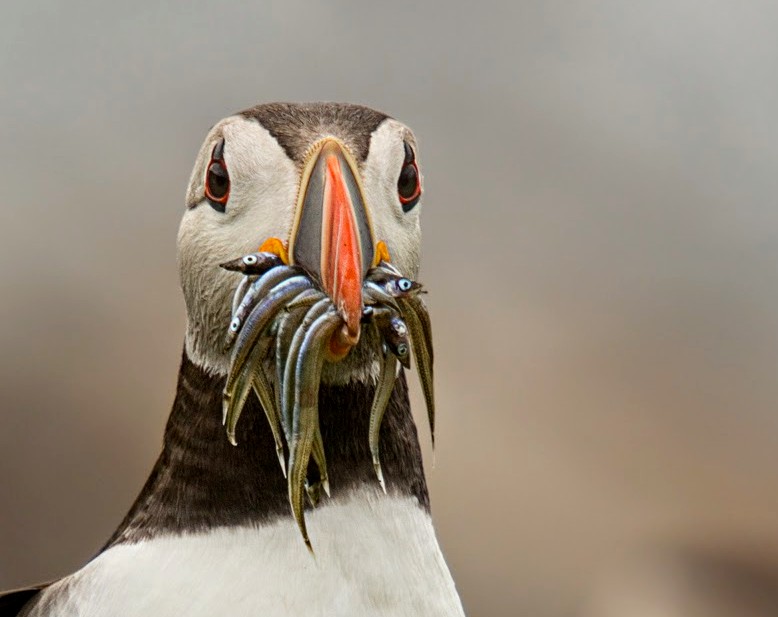
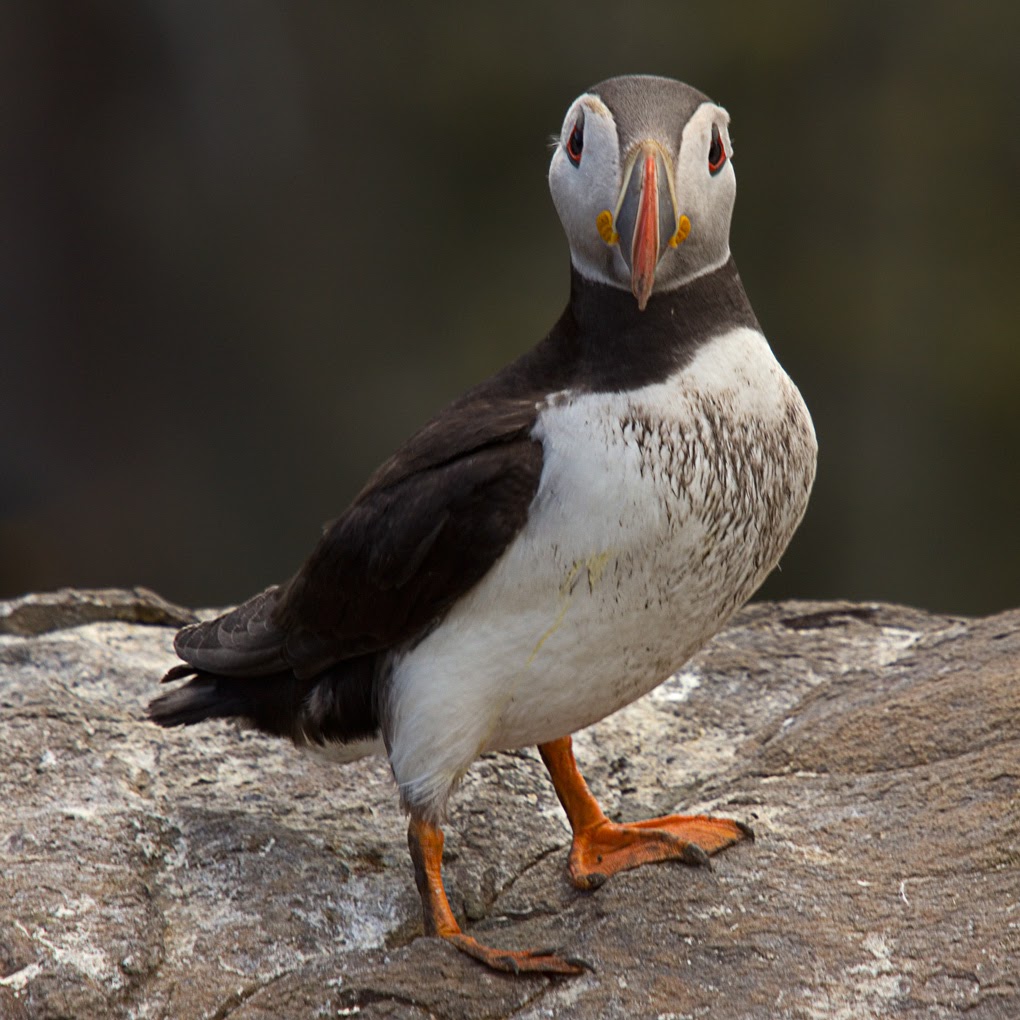
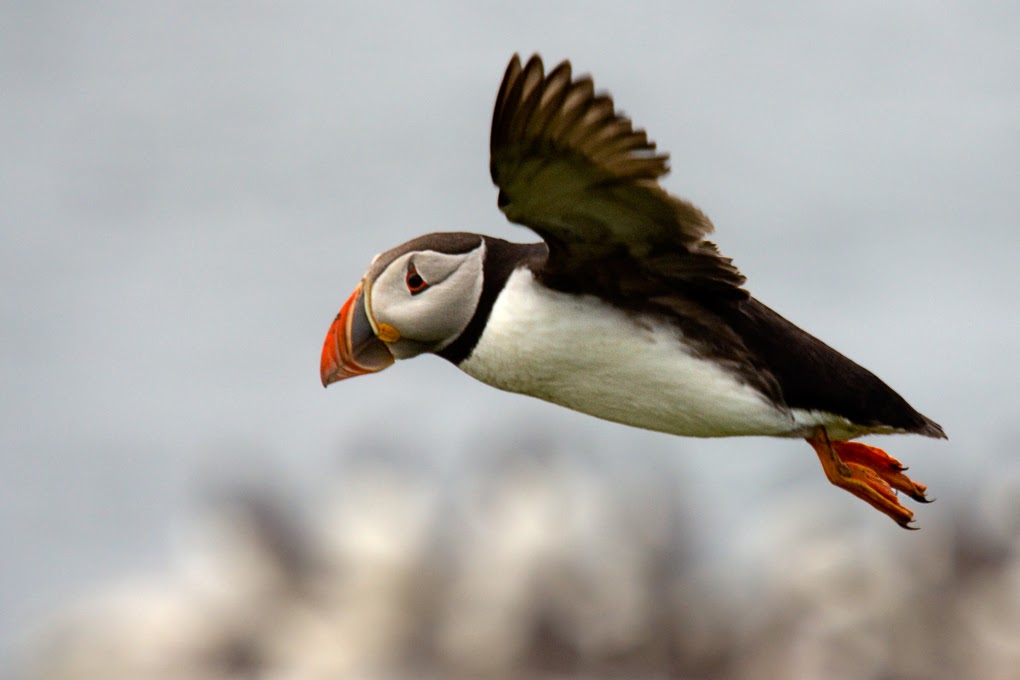
Just four or five short weeks away and these wonderful birds will begin to return to their breeding colonies around the UK. The nearest to me are at Flamborough and Bempton, I’ve certainly seen the birds there from mid March.
Of course the best time to see them is from May to July – and that’s certainly when you might expect some warm days and maybe even be tempted to take a dip in the sea for yourself.
The beach at Flamborough North Landing is pleasant and sheltered. There’s a good car park, cafes, shop and the best ice cream cone 99s in Yorkshire. The walk from here round to the lighthouses offers some of the best opportunities to see puffins, as well as kittiwakes, razorbills, guillemots and more. I have also seen dolphins off the coast and the sight of gannets flying past on their way to or from their feeding grounds and their nest sites at Bempton is wonderful.
So, despite the gloom of another wet day, the cold, the mud and the seemingly endless winter, there is light at the end of the tunnel. Days of ice cream and sun, the glorious views and the search for puffins on the limestone cliffs all accomanied by the sound of the kittiwakes and the gulls.
A detail from my latest poem “The Garden Tympanist” destined for the forthcoming book “Songs of Field and Garden”. A collaborative blending of poetry and illustration.
~~~~~~~~~~~~
This year the shells were gone; you were not here,
spring’s budding hedge now quiet where you sang,
no holes in ornamental leaves, no food for young.
I heard you sing,
I miss your song,
I’ll listen still,
for your return.
~~~~~~~~~~~~
If you think you could illustrate this poem with a pencil, watercolour or other rendering of the bird in question and would be interested in hearing more about the collaboration then please comment below or send a Contact Message.
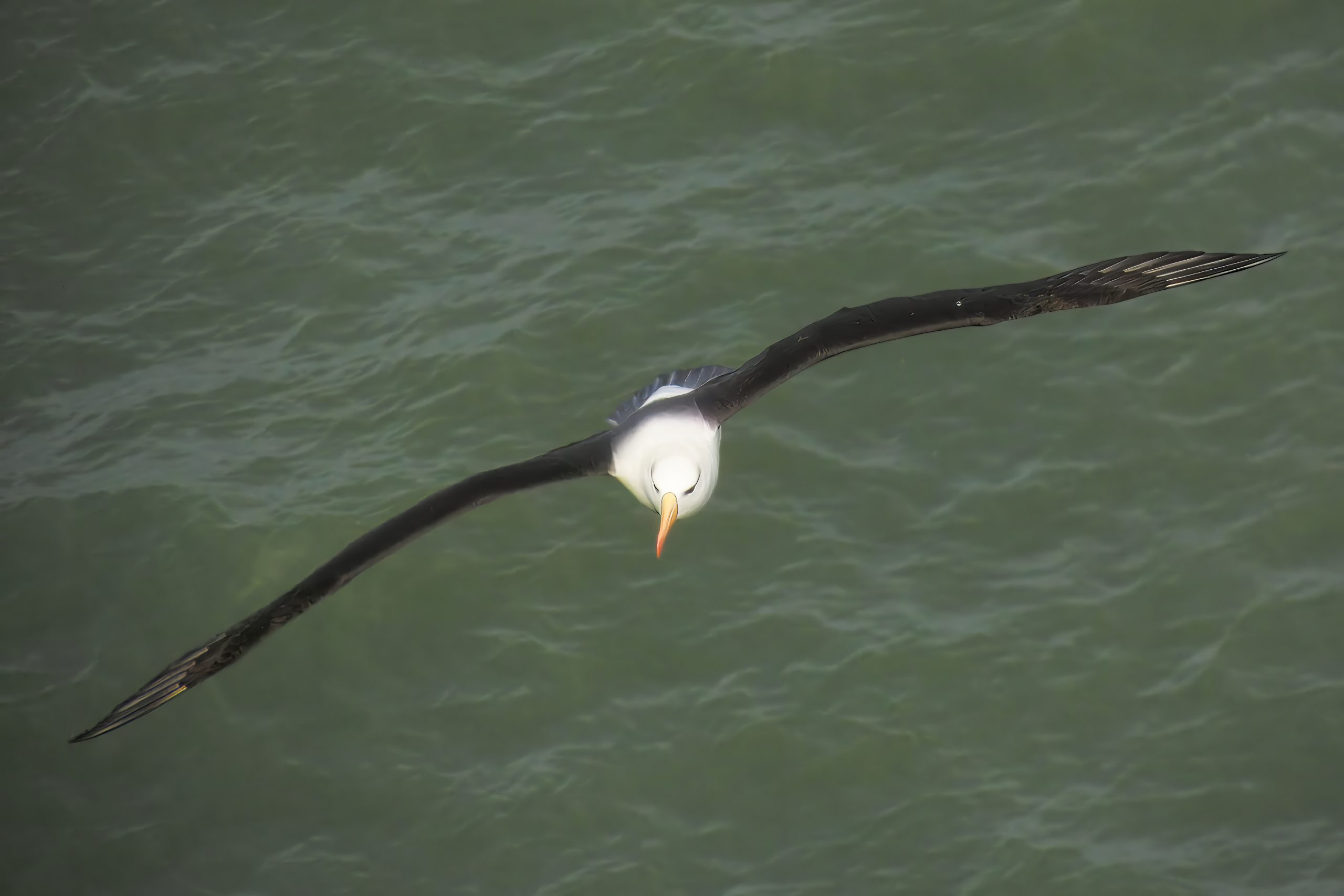
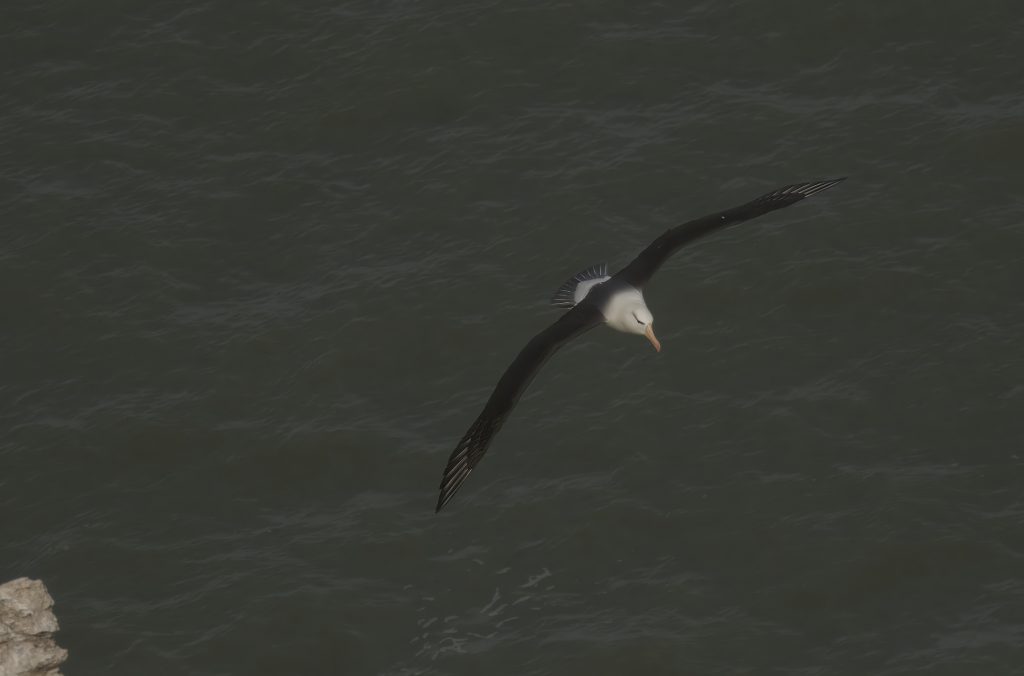
Some years ago I was lucky enough to capture some photographs of Albie the Albatross as he was named by RSPB Bempton Cliffs.
This wonderful, stately seabird had been seen at Bempton on and off since 2017 when he first appeared, having been present in the Baltic from 2014. He was absent for a few years after 2017 but also visited in from 2020 to 2022.
I first saw him in June of that year but, after a long day photographing puffins at North Landing, my camera battery gave out just as he put in an appearance. Not to be outdone I invested in a couple of spares and revisited a few weeks later.
The crowds were significant but I was lucky enough to catch sight of him not only where most were gathered near the main Gannet colony, but just a little further north along the clifftop where he put on a spactacular show just for me.
The normal range for the Black Browed Albatross is in the southern ocean, around remote islands including the Falklands, the Chilean islands and South Georgia in the breeding season (September – April) and at sea the rest of the year.
They are a medium sized albatross with a 2-2.4m wingspan and and length of around 90cm.
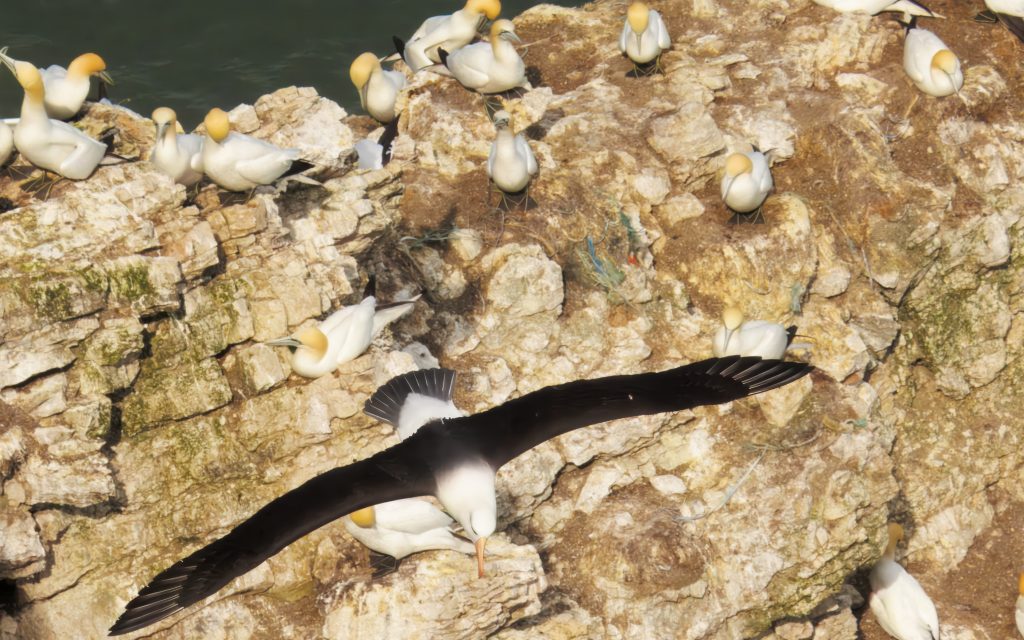
Albie flying over the Gannet colony at Bempton Cliffs
As with all Albatrosses they are adapted to gliding on the wind, which they rely on for lift. They do not often cross the equator where winds are usually calm or non existant, it is thought Albie will have been blown off course and into the northern hemisphere during a storm. Once here it would be difficult for the bird to return south for the same reason they do not normally venture north. Albatrossed posses a specialised bone structure between the wings on their backs, this allows them to “hang” the bones of the wings on a small hook meaning that they do not need to consume energy to keep them extended.
Sadly Albie disappeared, from both the UK and his normal winter range in the Baltic, after 2023 and it is presumed he died. We were privileged to see such a magnificent bird around the shores of north yorkshire.
I saw, and was able to photograph, several other species of Albatross on a visit to New Zealand – more of that later.
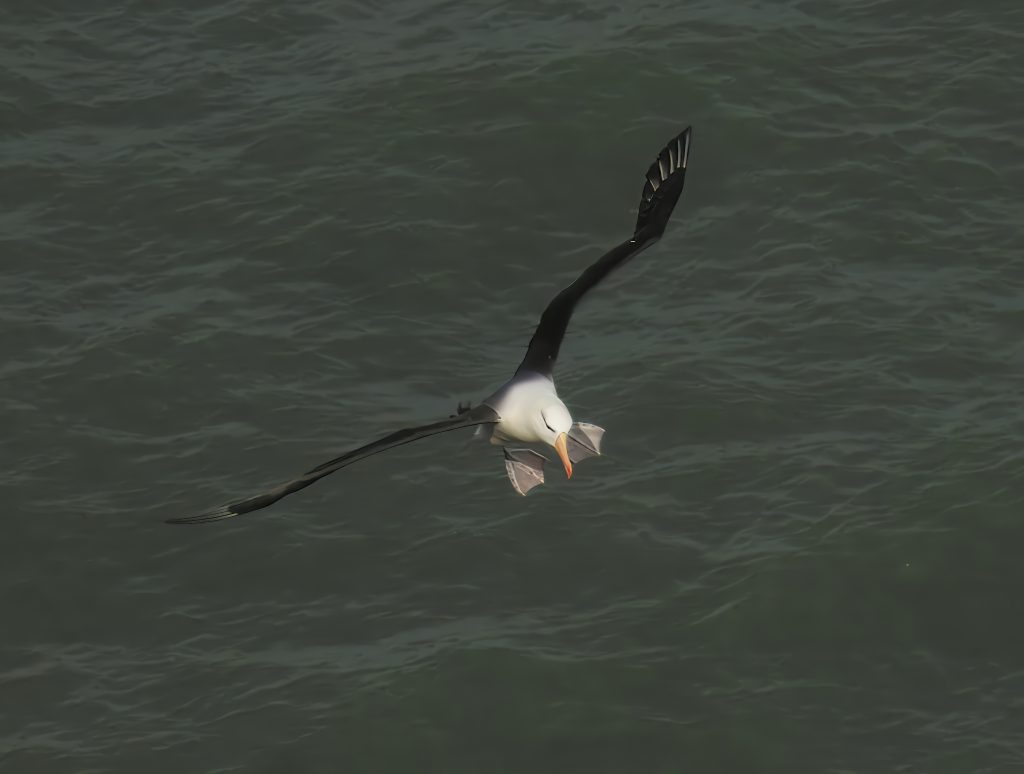
Albie the Albatross manouvres off the cliffs at Bempton