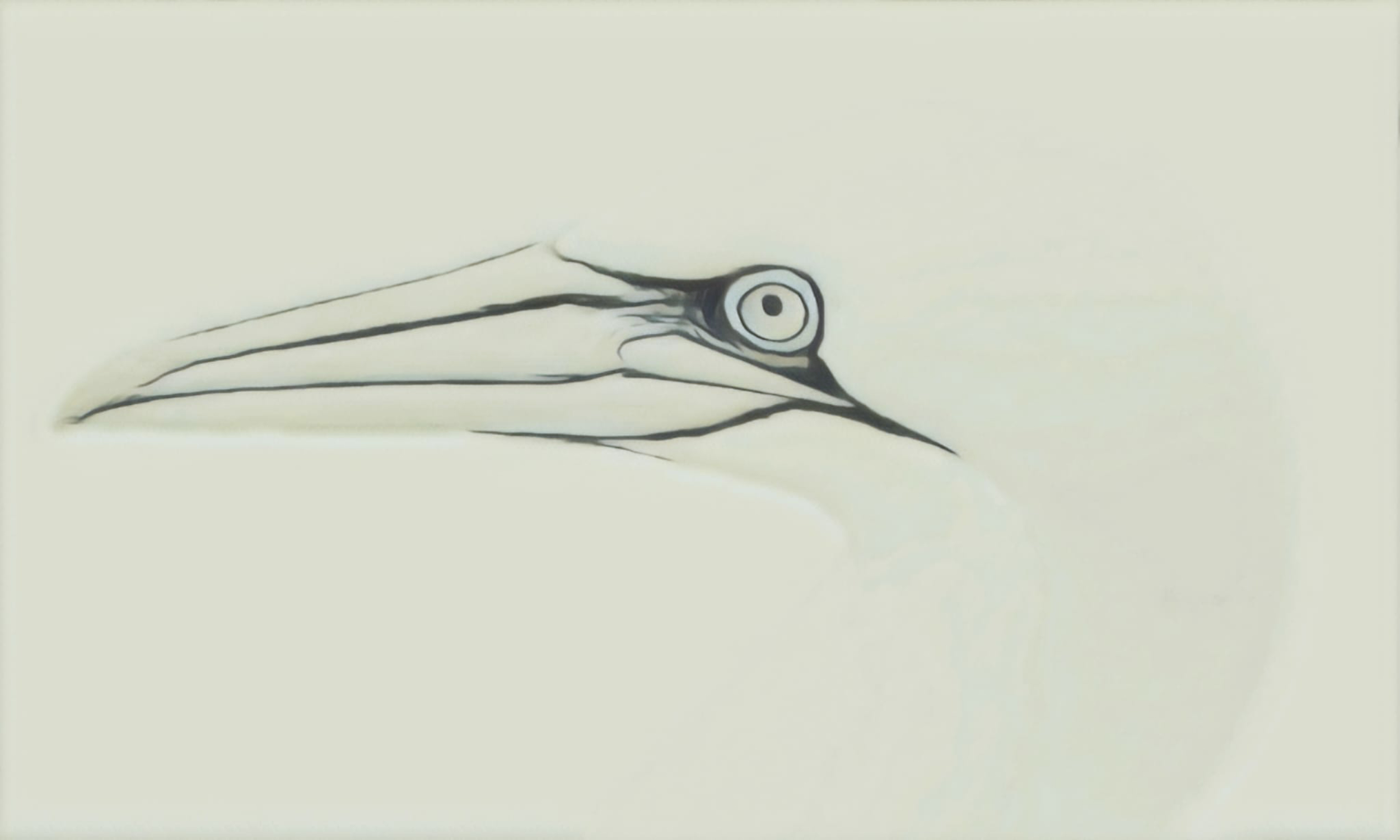
The Circle Turns
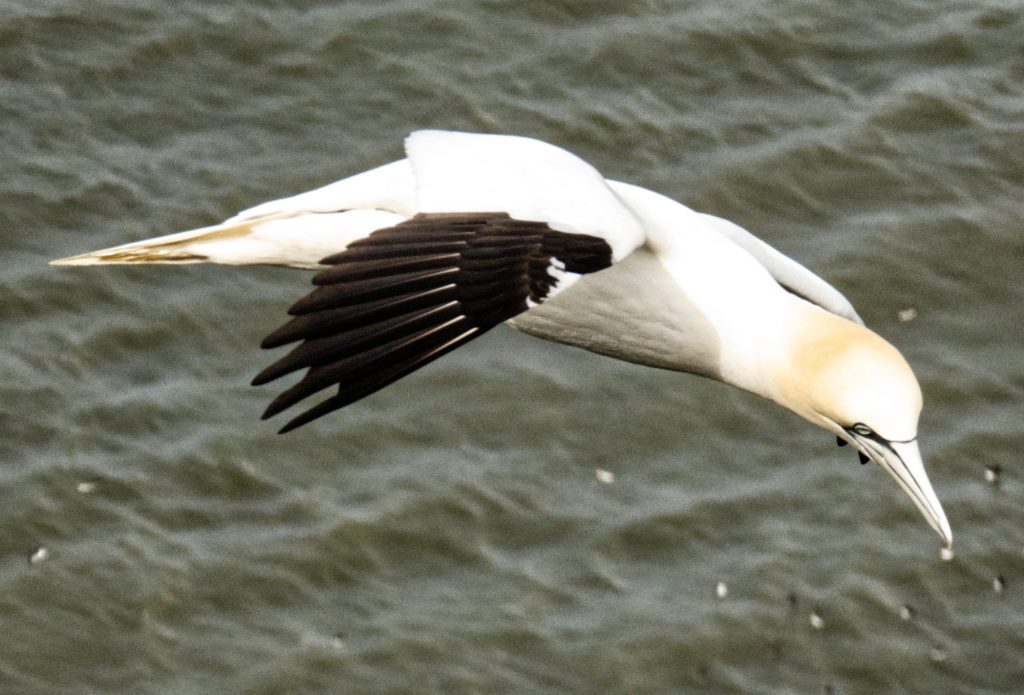
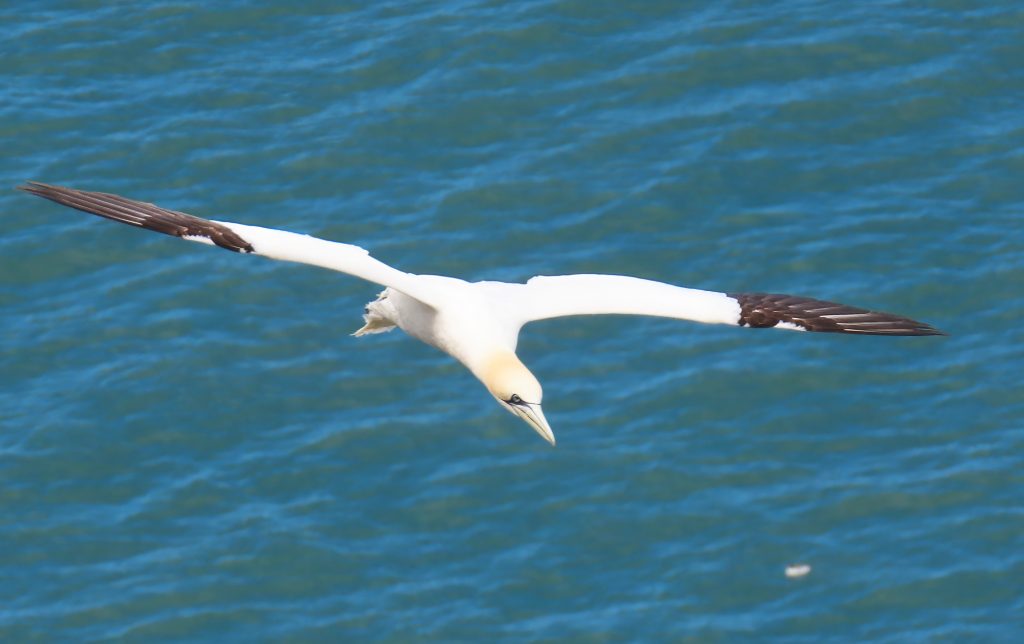
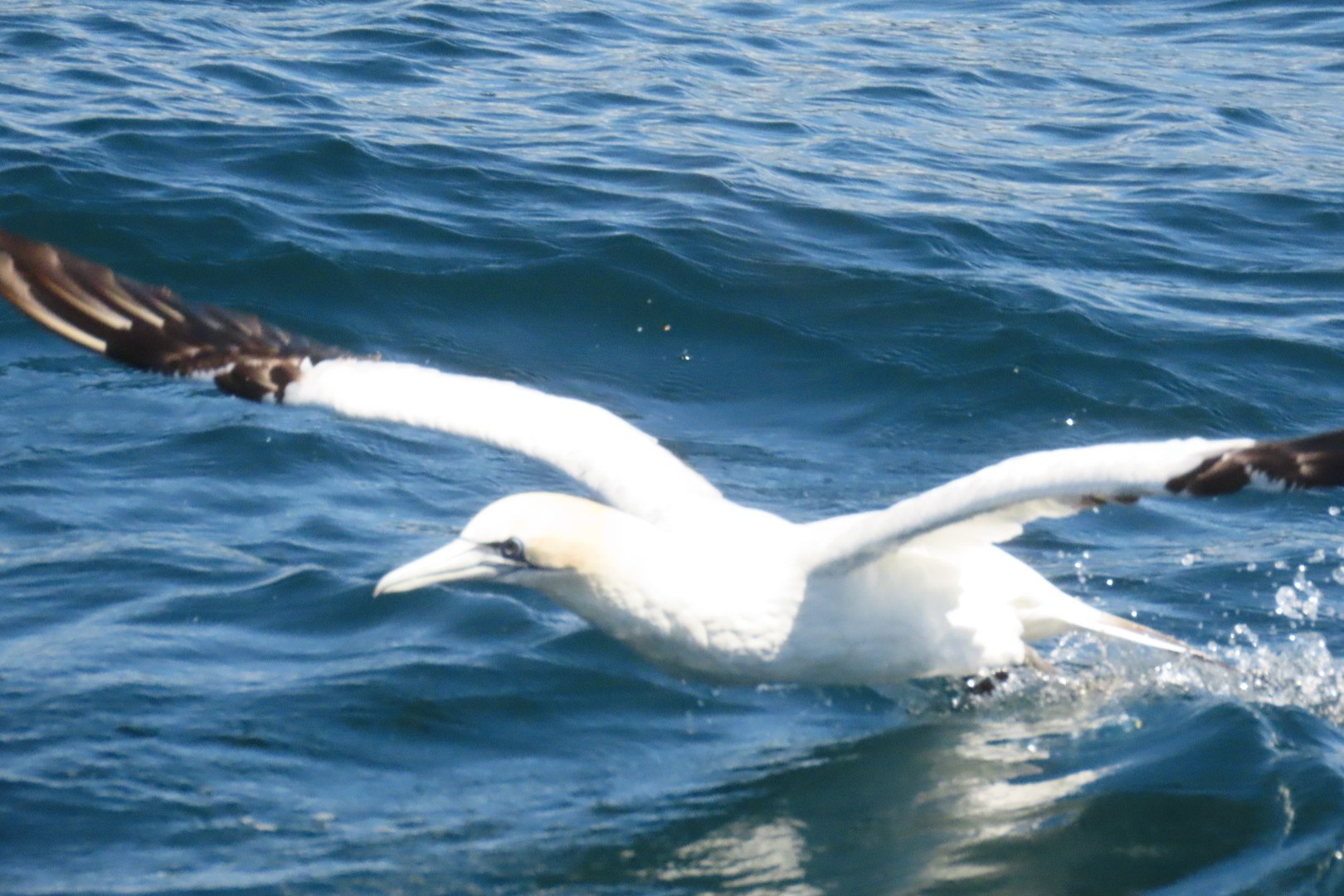
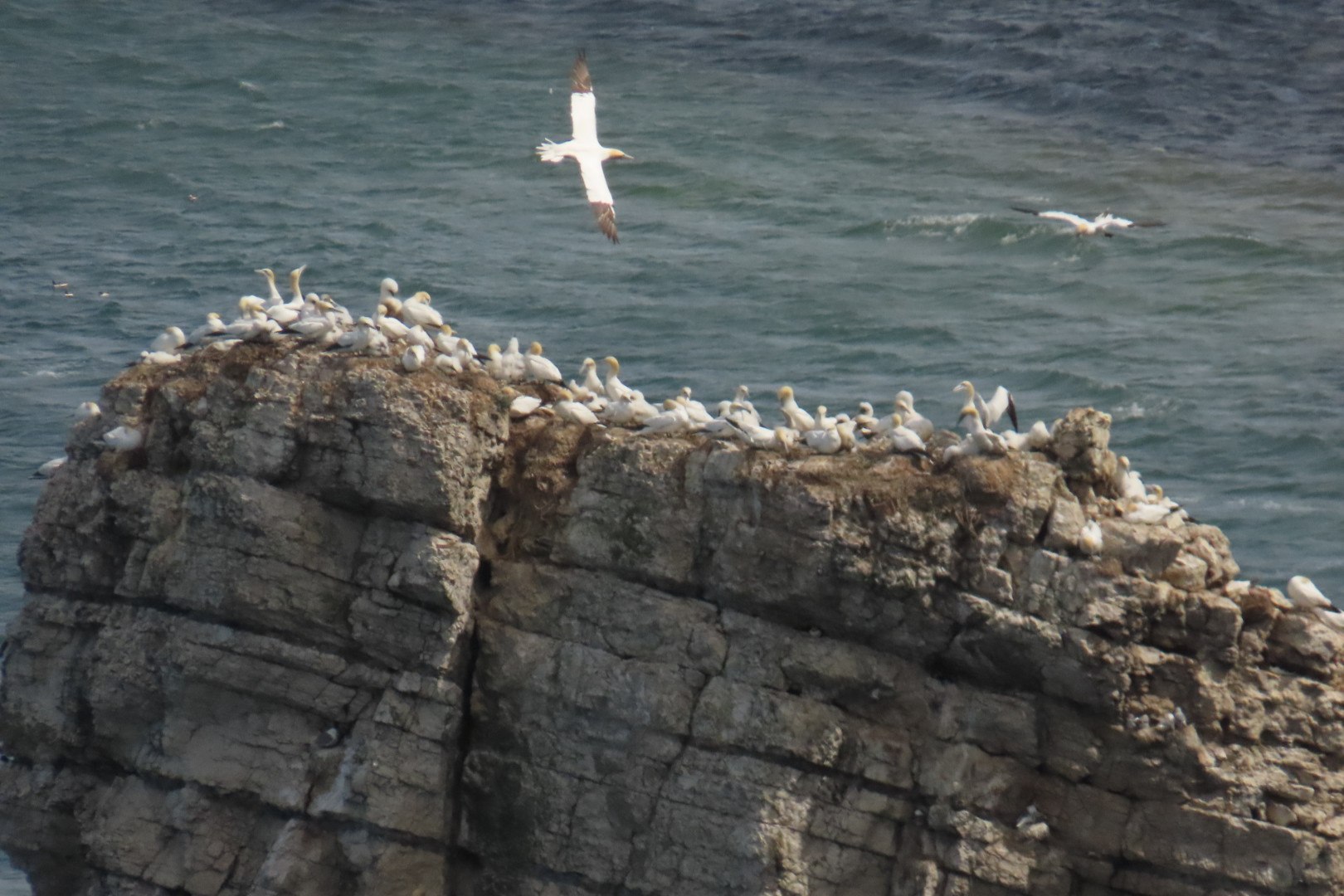
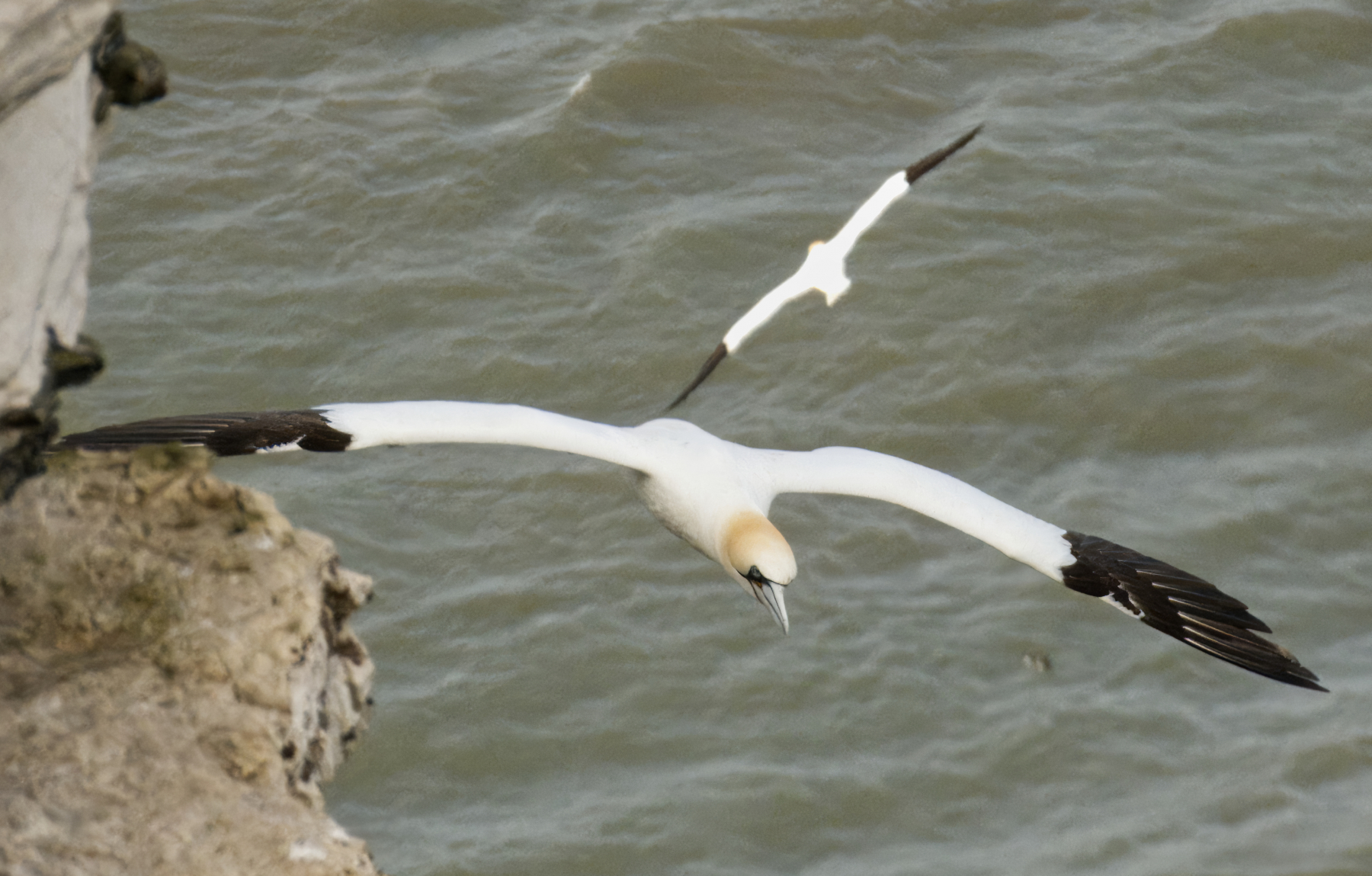
A line of white weaves across the sky,
a sinuous wave
reflects the swell below.
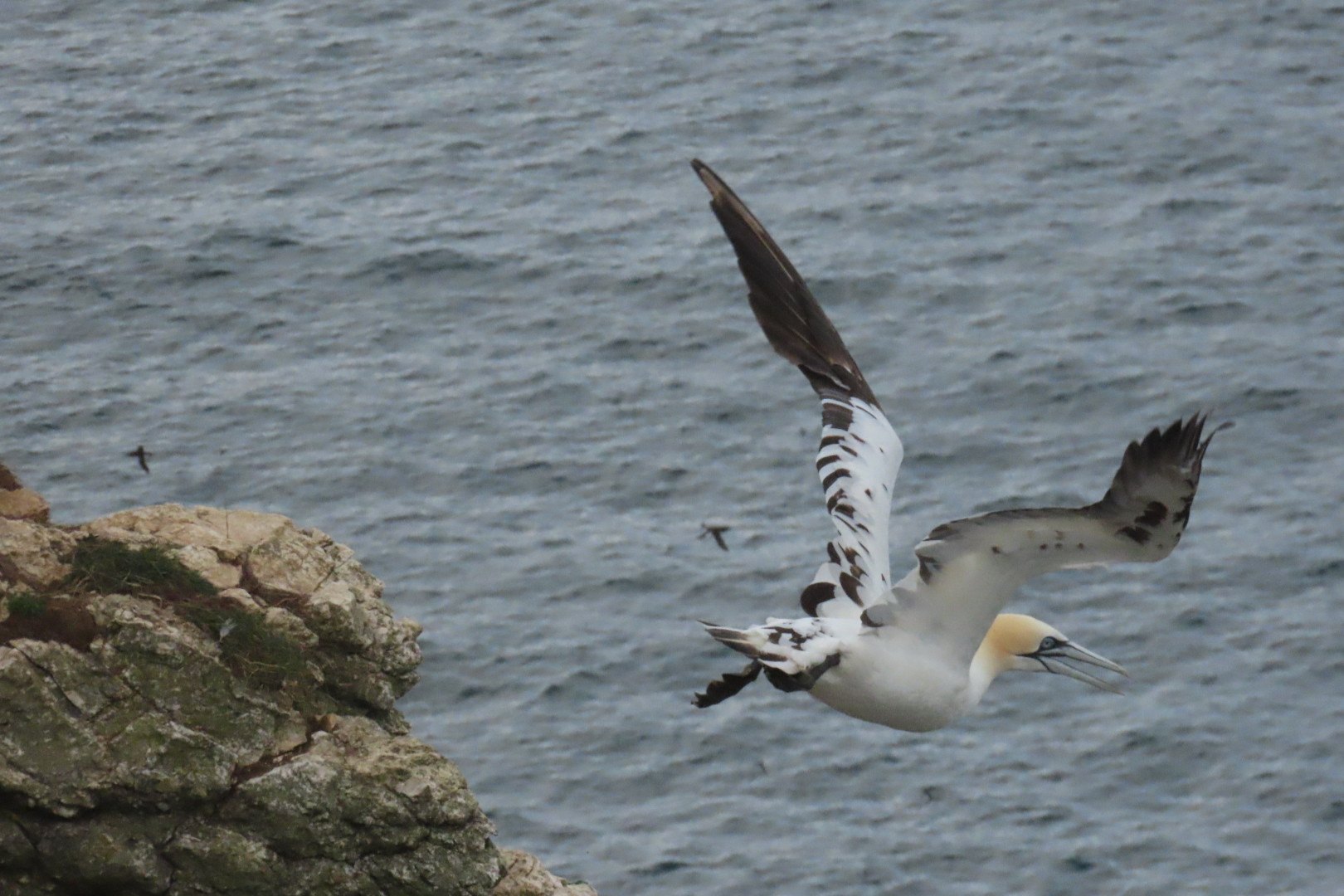
Drawn closer they resolve
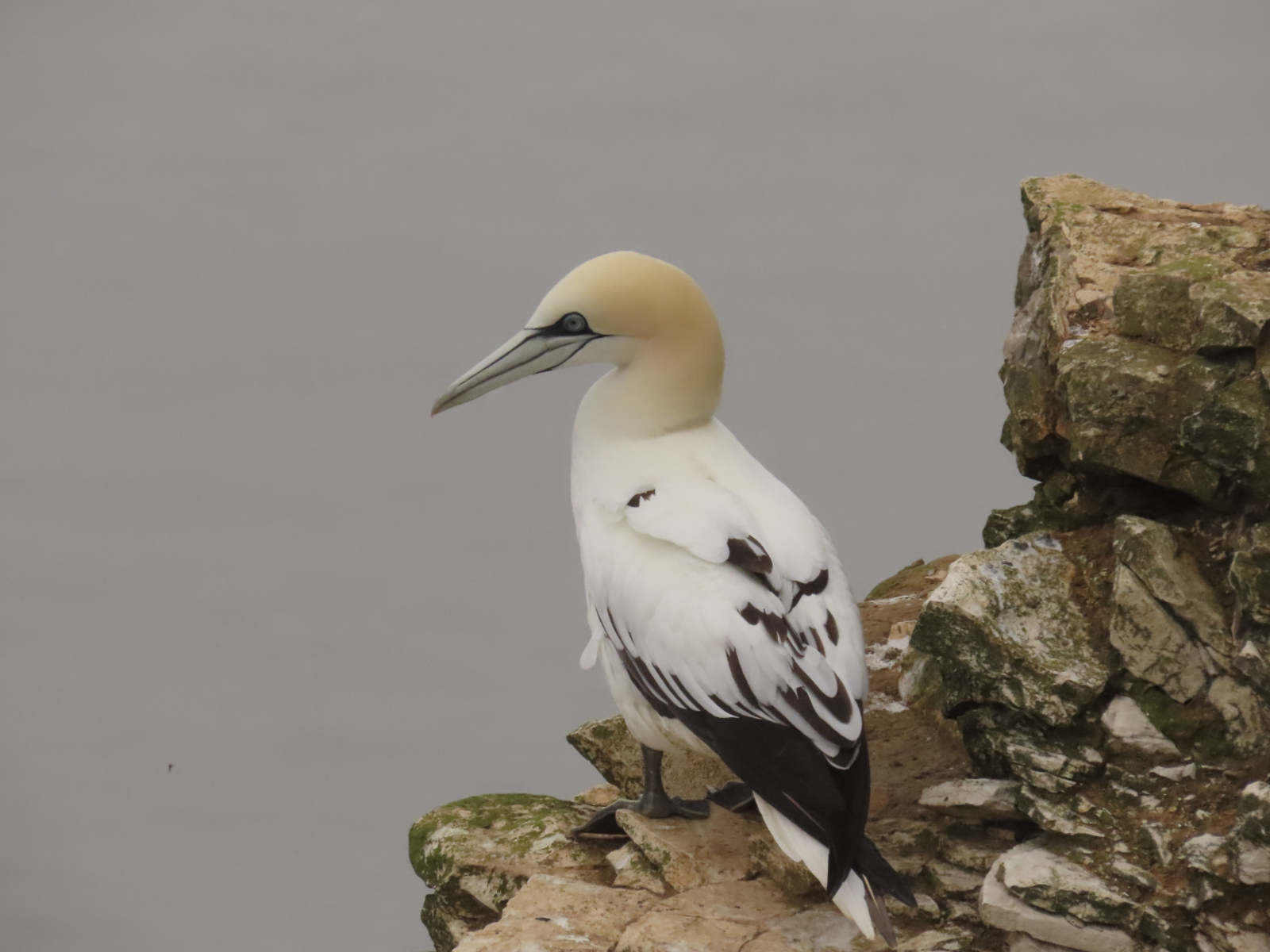
a chequerboard
of ivory and sable,
Rendered clear by gathering age.
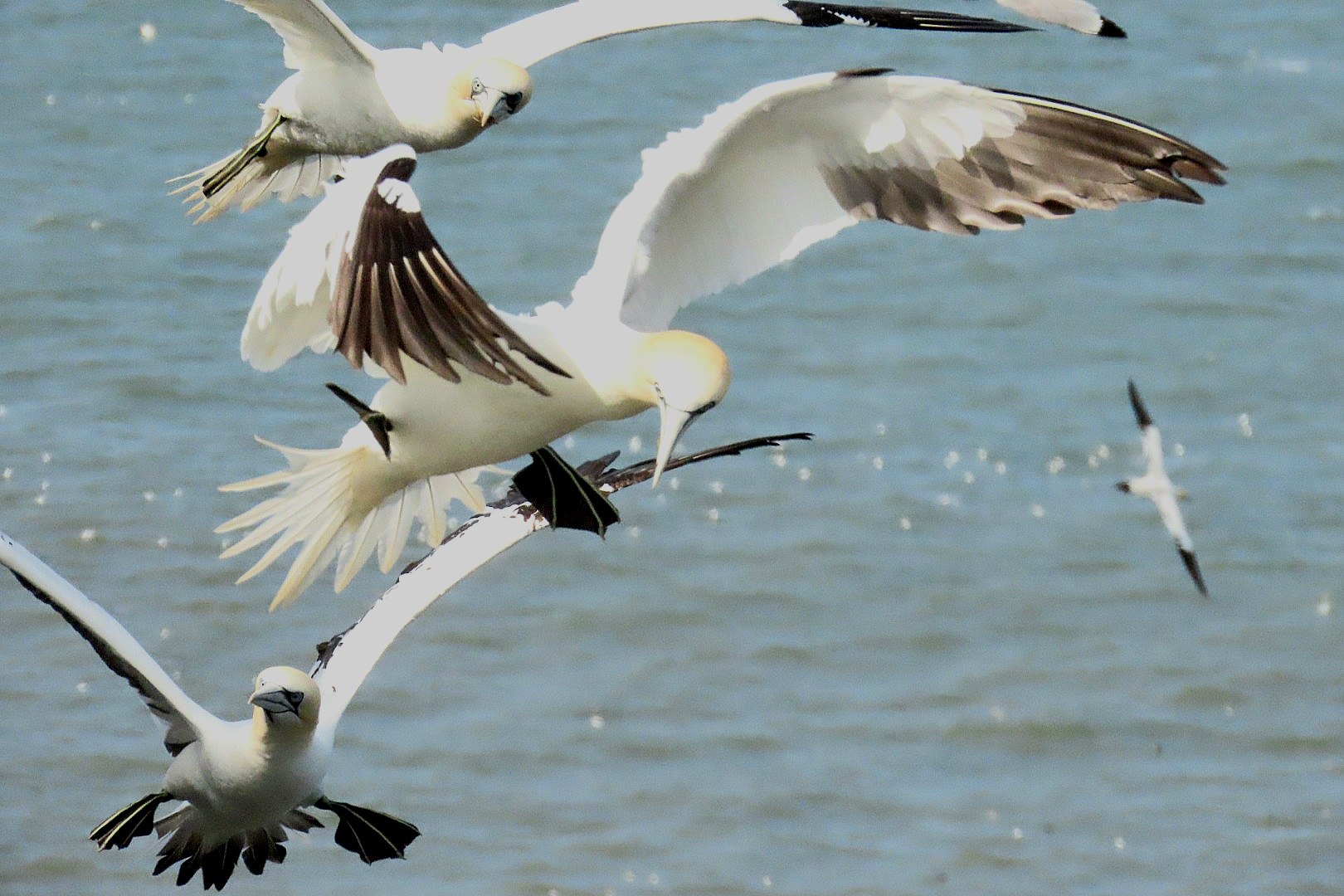
Raucous din repeats,
Noise washing over all.
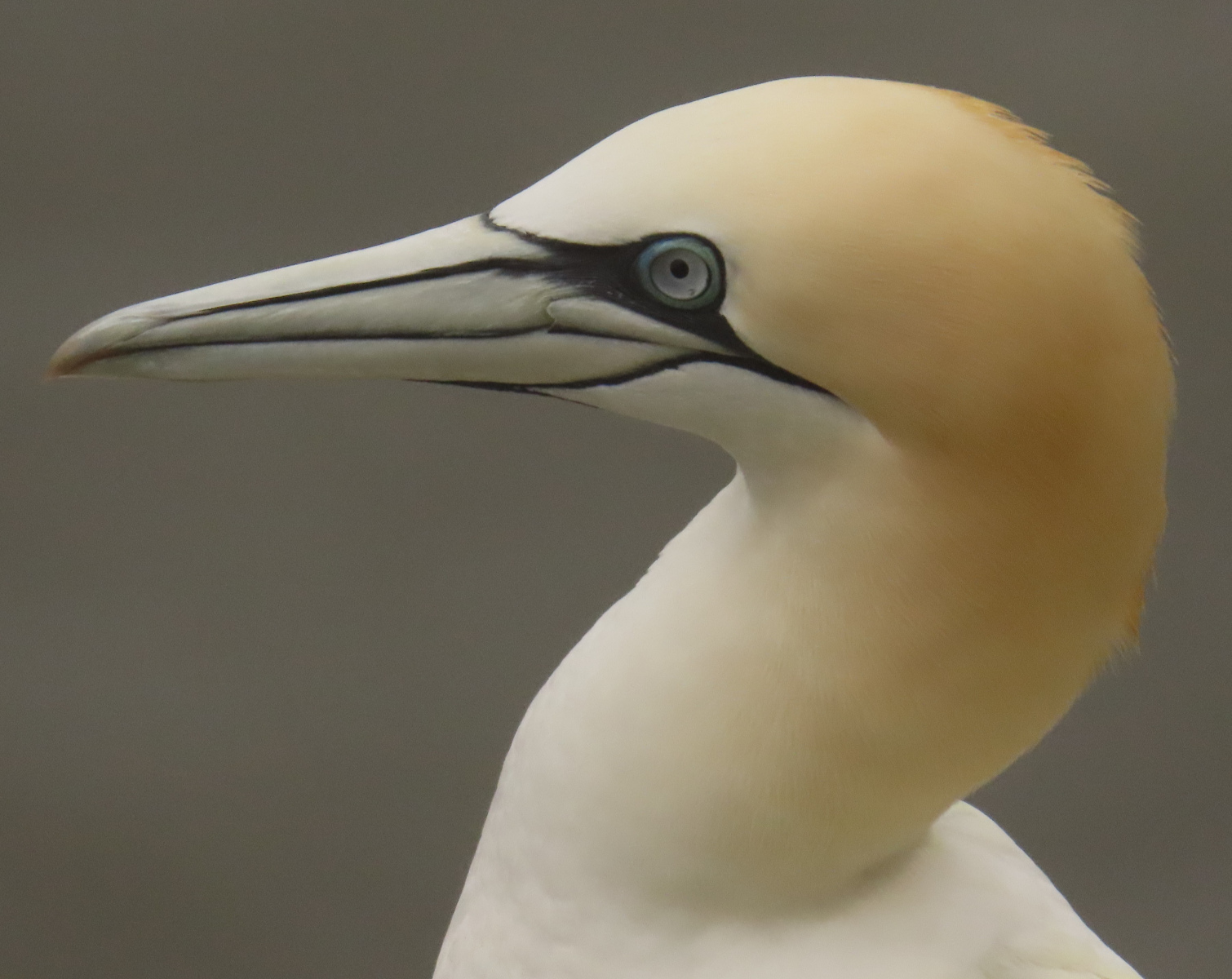
Males flex wings and raise
sun washed heads
to dance
as if no-one sees.
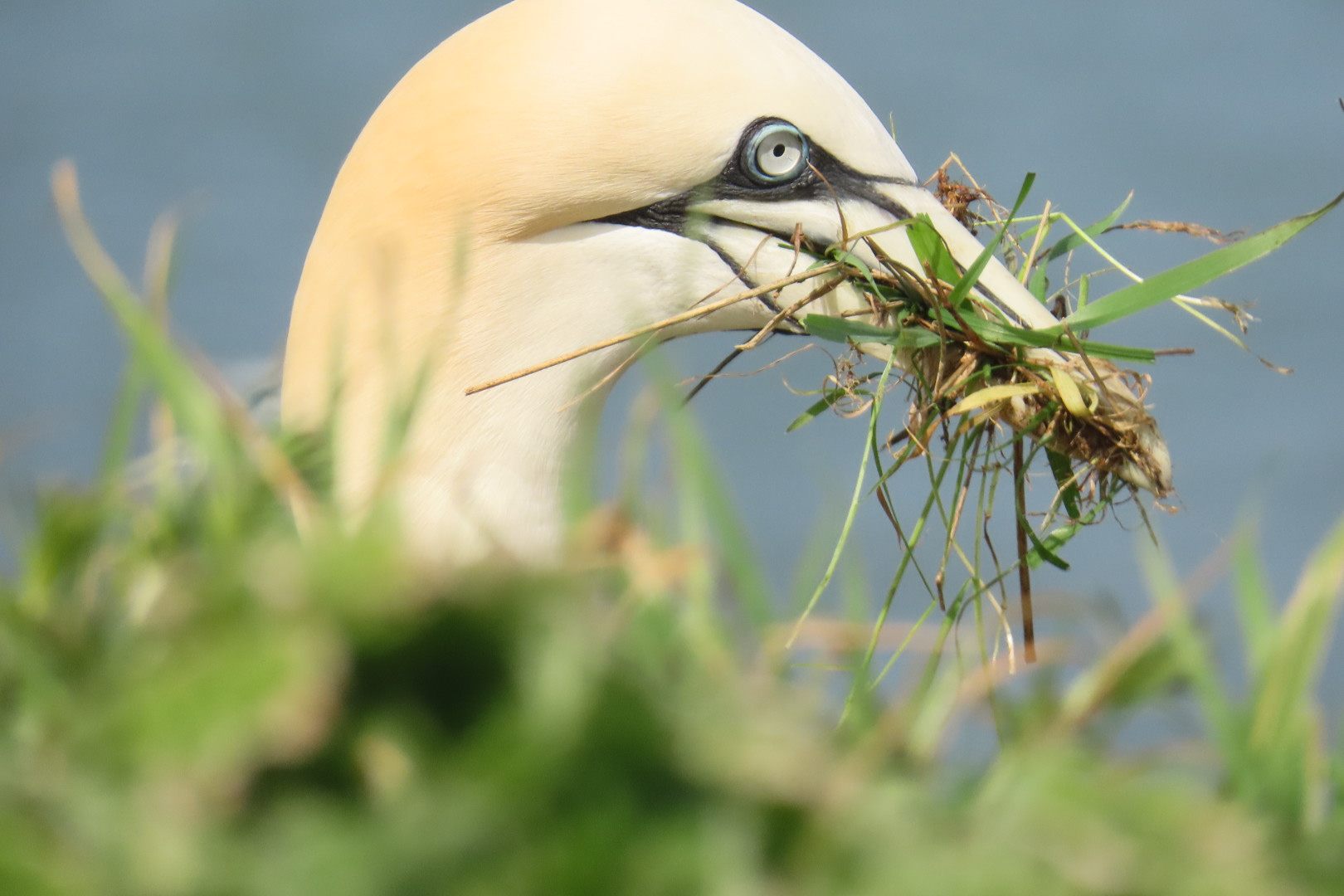
Or gather grass,
uncaring close beneath our feet.
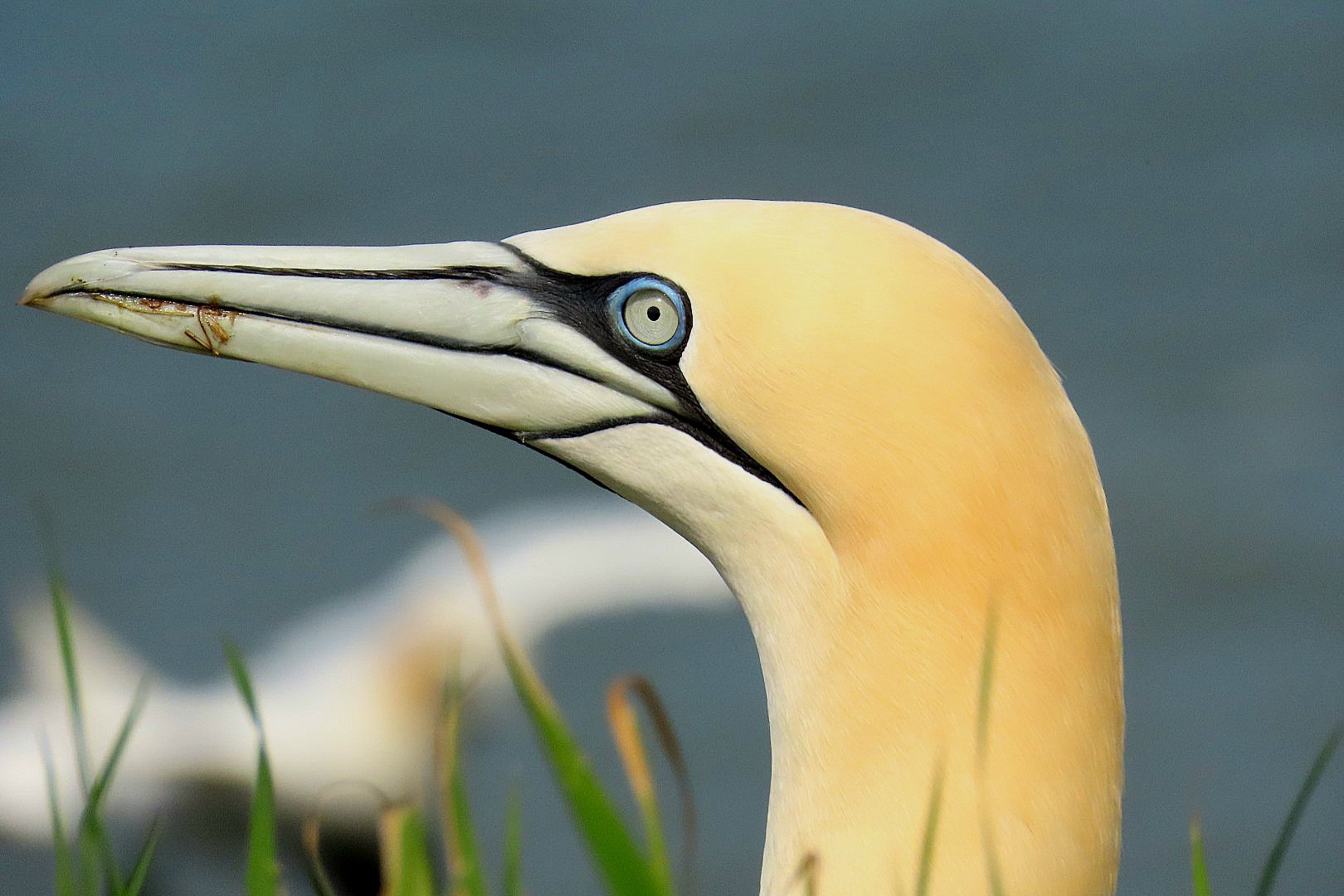
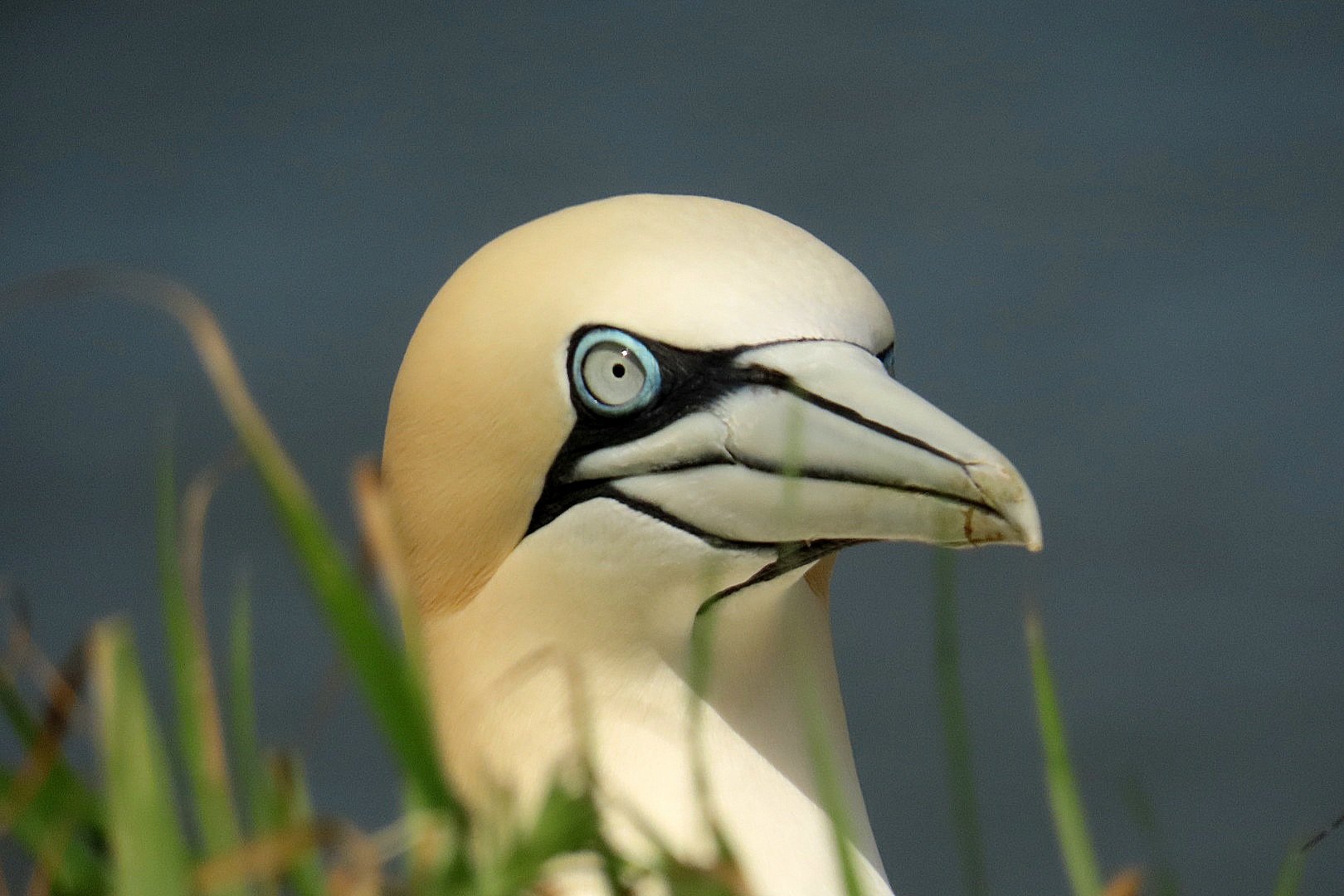
Azure ringed orbs
Of midnight centred white.
Black on black, survival’s legacy.
From circling sky a hunter falls,
Plunging without fear.
Wings back, legs tucked,
A living fishing spear.
To pierce the waves, to reach the depths,
A thrust, a miss, so near.
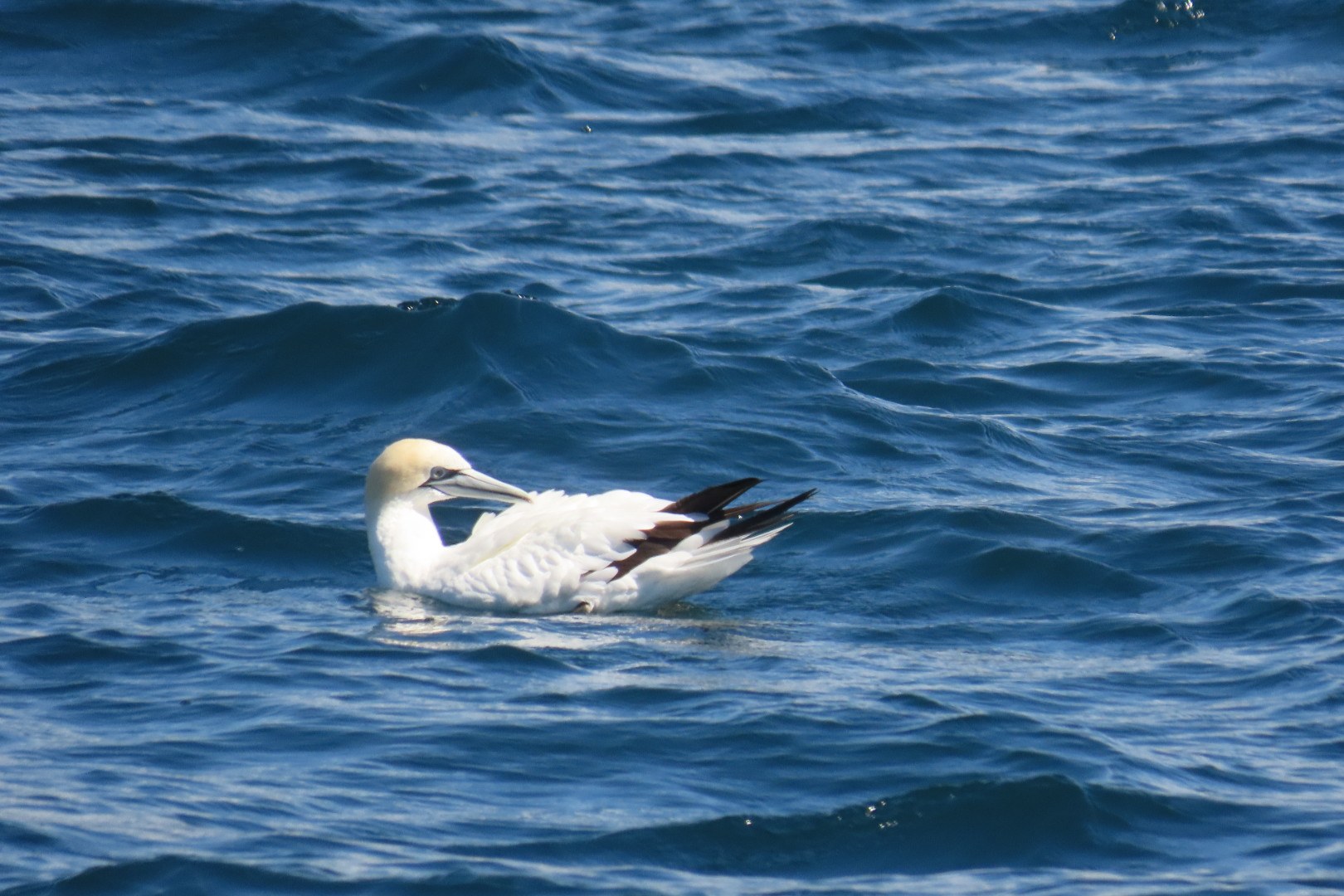
the surface regained,
Ungainly now, a fleeting loss of grace.
An effort
to reclaim the air,
To pull, to climb,
to soar once more.
The hunter returns, the circle turns.
Copyright Steve Allanson February 2026
I often travel to Flamborough or Bempton in the breeding season to watch these magnificent birds. They are overshadowed in popularity by the delightful puffins but they deserve their own place in our consciousness.
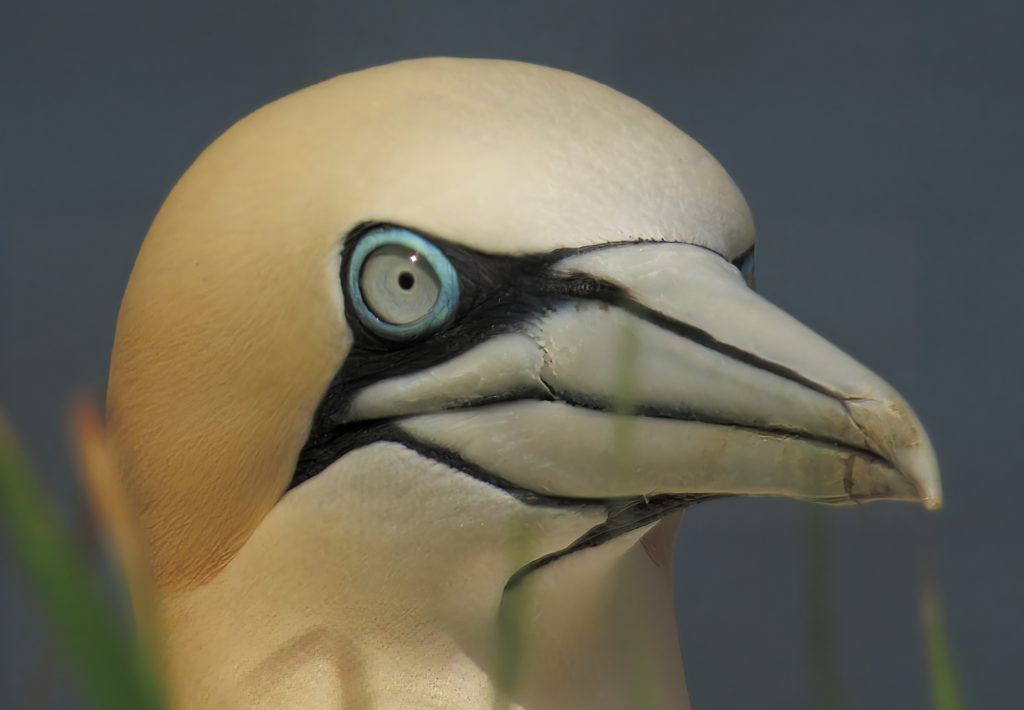
In recent years, avian influenza has devastated gannet colonies across Britain. Survivors can be identified by the loss of the distinctive pale iris—their eyes turn entirely black. ‘Black on black, survival’s legacy.’
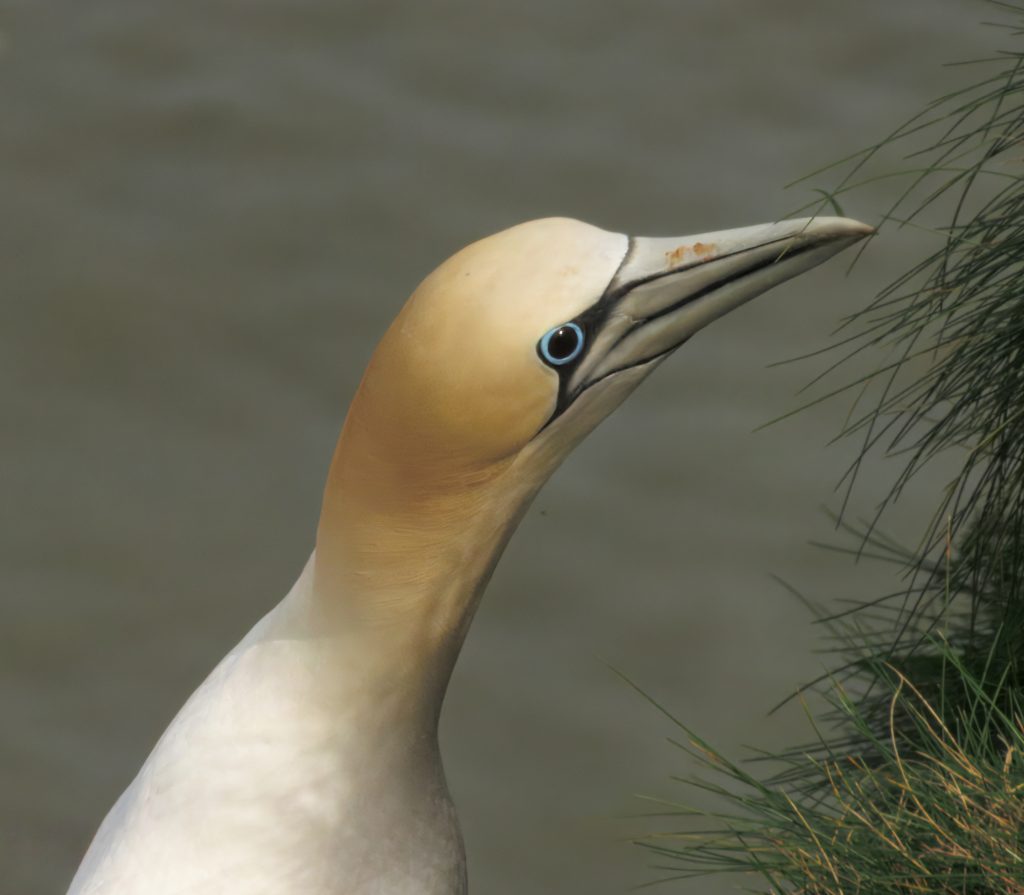
Majestic, striking, the gannet is a large bird and unafraid of humans. In fact, if you see them gathering nesting material along the clifftops at Bempton – mere feet from the crowds watching and filming them, you might come to the conclusion that they dismiss our presence as irrelevent.
In folklore they are often seen as messengers of the sea, signals – of course – of the presence of fish. They are seen as symbols of endurance and resilience, as well as of commitment. Their hunting dive is one of total resolve; spearing the sea at speeds of nearly 100 kilometres per hour. Their reinforced skulls absorb most of the impact but, nevertheless, as they age their eyesight can suffer from the repeated shocks.
There is a tale, which can be found in Adam Nicholson’s wonderful book “The Seabird’s Cry” which should, apocryphal or not, serve as a caution. It tells of a beach somewhere in the south of England where, when the tide is out, the exposed wet sand can appear from above as a continuation of the nearby open water. The gannets, apparently can make this mistake and dive to crash into the sand and injure or kill themselves.
The story tells of a man who, coming across an injured bird, picks it up in the hope of taking it somewhere for assistance. He sensibly took the head in his hand as he carried the bird, but was distracted by a dog yapping at his heels and let go – at the cost of an eye!
That beak is razor sharp.
Let’s hope the bird recovers from the impact of Bird Flu, and survives the other challeges we throw at it (Plastic in the sea, getting tangled in fishing gear, climate change) so that we may continue to admire it.
Leave a Reply